


The Secret to Flavor: Feed and Its Impact on Ham
In the gastronomic universe, few products evoke as much passion as ham. This ancient product, the fruit of age-old expertise, hides a secret behind its unique flavor that is often unknown: the pigs' diet.
How does what the animals eat influence the final flavor of ham, shoulder, or cured meats? Why are some hams more flavorful than others? Let's discover what truly makes the difference.
The decisive influence of diet on ham flavor
From acorns to cereals: when diet shapes taste
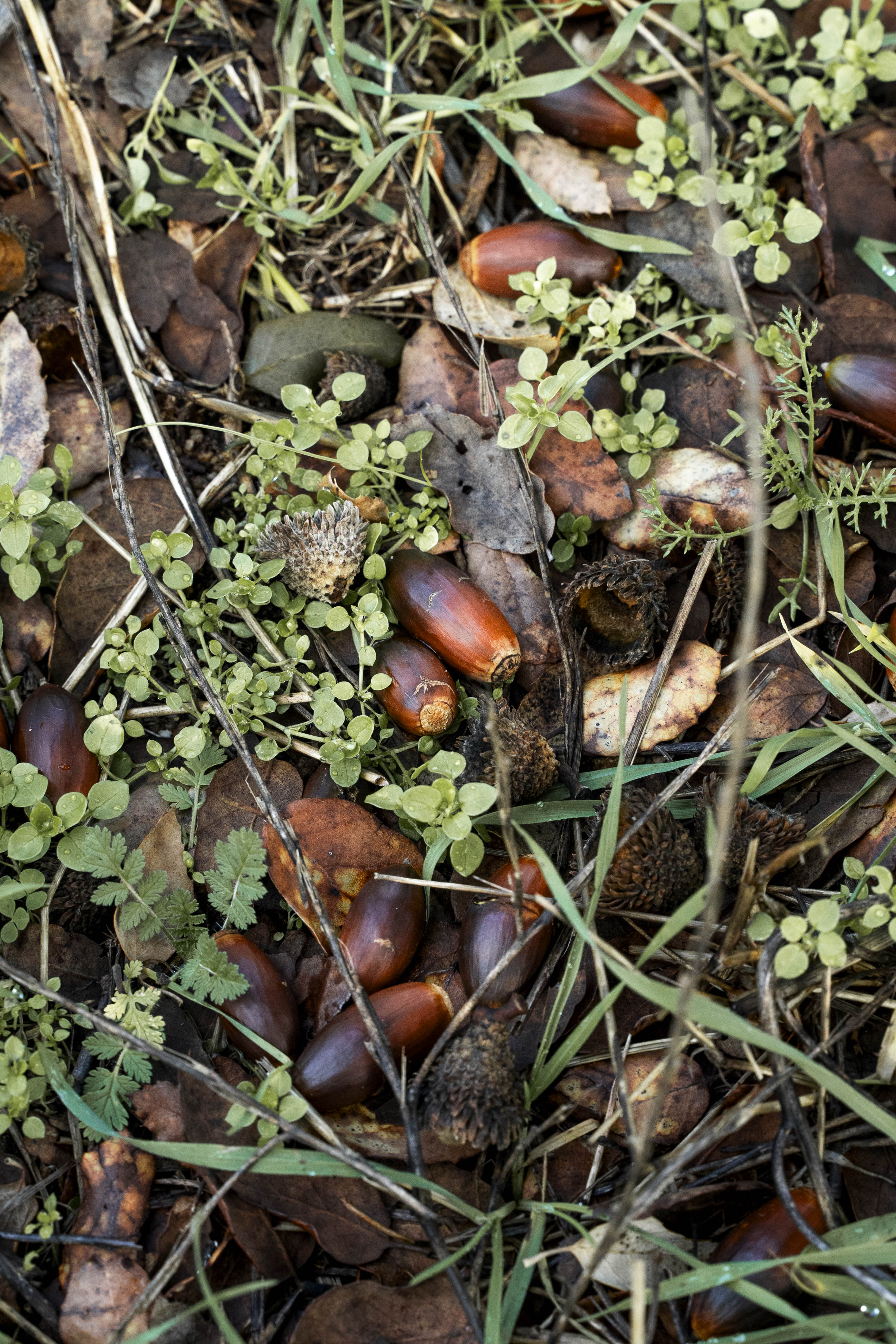
Iberian acorn-fed ham represents the perfect example of the close relationship between diet and flavor. During the "montanera" season, Iberian pigs feed primarily on acorns, growing freely in the dehesas.
This special diet provides the ham with its melting texture and characteristic nutty notes. The monounsaturated fatty acids present in acorns infiltrate the animal's muscles.
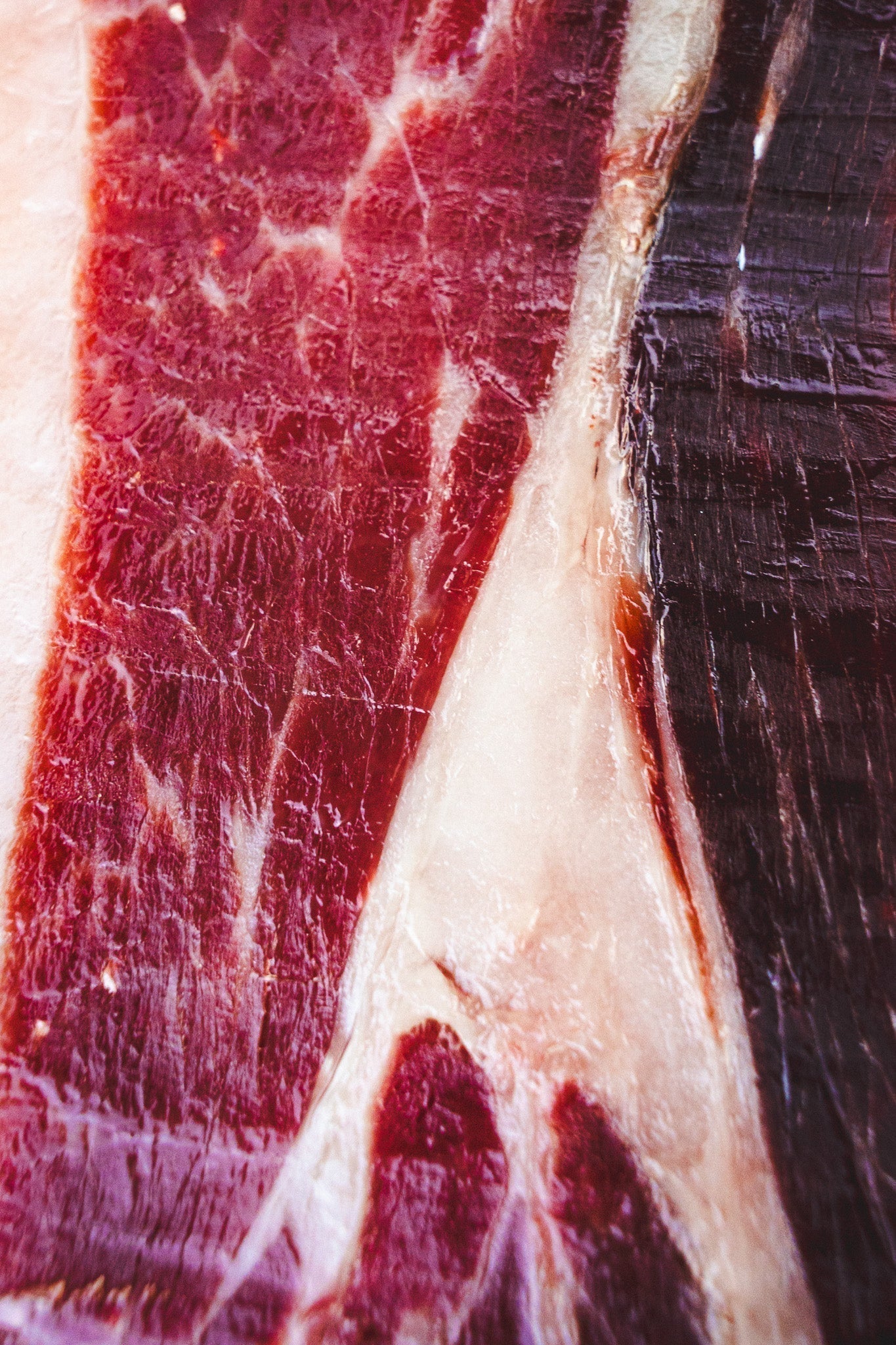
The result? A fat that literally melts in your mouth and develops complex aromas during curing.
In contrast, hams from pigs fed exclusively with cereals have a different aromatic profile: a firmer fat and somewhat less evolved flavors, ideal for daily or frequent consumption.
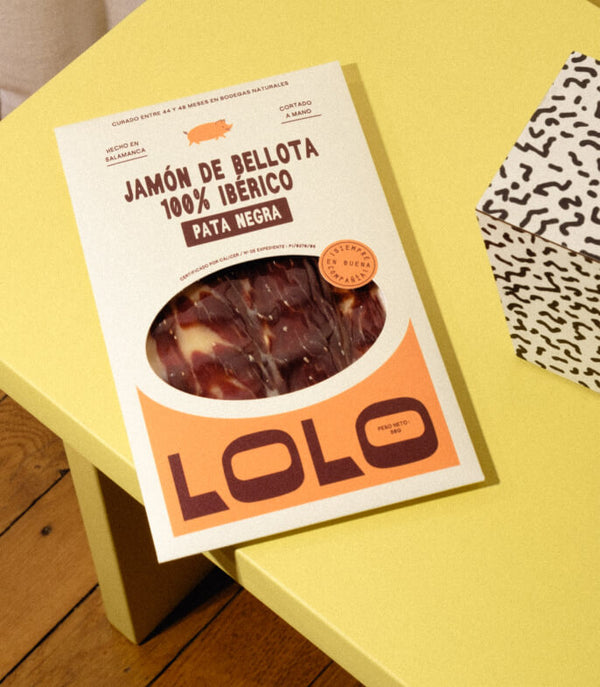
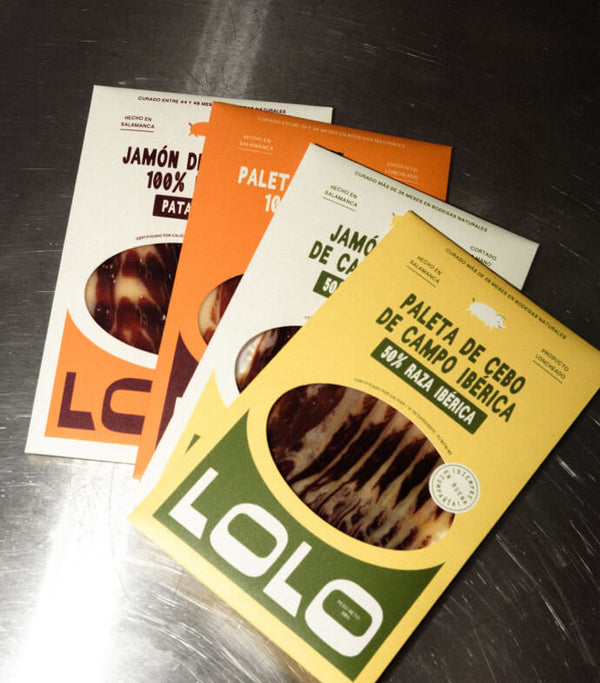
At LOLO, we work with 100% Iberian acorn-fed pigs, fed first with cereals and then exclusively with acorns during the "montanera" season. These cereals—wheat, barley, almonds, and sunflower seeds—are produced directly on the farm.
These same cereals also form the basis of the diet for our 50% Iberian Cebo de Campo pigs.
The scientifically proven impact of diet
Recent studies by the Food Research Institute have confirmed this influence. Chromatographic analyses reveal that over 30% of a ham's aromatic compounds come directly from the pig's diet.
Natural antioxidants present in certain foods like acorns or aromatic herbs play a crucial role. They protect fats against oxidation and allow for optimal aroma development during drying.
Free-range pigs, feeding on fresh herbs and roots, develop more complex aromatic profiles. The diversity of foods translates into a richer flavor palette in the final product.
Territories and their impact on taste quality
From Spain to Italy: territories that shape flavors
The concept of terroir, well-known in the world of wine, perfectly applies to ham. Each region has its particularities that directly influence the final flavor.
In Spain, the dehesas of Salamanca offer ideal conditions for Iberian pigs. The alternation of holm oaks and cork oaks produces different types of acorns with unique nutritional properties.
In Italy, pigs raised for Parma ham are traditionally fed with whey from Parmigiano Reggiano production. This particularity creates a taste link between both emblematic products.
In France, the Black Bigorre pigs, raised free-range, feed on the natural resources of the Pyrenees. This varied and territory-specific diet contributes to the unique flavor of this PDO ham.
Extensive versus intensive farming: a direct impact on flavor
Extensive farming, where animals have space to move and forage, promotes muscle development. This physical activity influences the structure of the fibers and the distribution of fats.
Pigs from intensive farming, fed with standardized feed, produce hams with more uniform but often less rich organoleptic qualities. The difference is especially noticeable in the persistence of aromas on the palate.
Comparative studies have shown that hams from extensive farming exhibit greater aromatic complexity. Experts can identify up to twice as many flavor notes during professional tastings.
The future of ham: between tradition and food innovation
New nutritional strategies for optimized flavor
Faced with environmental challenges and new consumer expectations, new feeding strategies are emerging. Some producers experiment with supplements based on essential oils or plant extracts to naturally improve flavor.
A diet enriched with omega-3 allows for hams with improved nutritional qualities without compromising flavor. These innovations, respectful of ancient traditions, open new perspectives.
Research is also currently being conducted on the impact of probiotics in pig feed. These microorganisms could positively influence the development of aromas during ham fermentation and curing.
Food traceability: a demand for transparency for the consumer
Today, consumers demand to know the origin of what they eat. This trend drives producers to precisely document their animals' diets.
Labels and designations of origin already integrate strict criteria related to animal feed. Iberian ham, for example, is classified according to categories that directly reflect the pig's diet.
This transparency reinforces the perceived value of premium products and justifies price differences between ranges. An Iberian acorn-fed ham can cost up to five times more than a standard ham.
Traceability applications even allow consumers to scan a barcode to discover the entire history of the ham, from the pig's diet to the curing techniques.
Conclusion: diet, the key to exceptional ham
The saying "we are what we eat" perfectly applies to the world of ham. The exceptional taste quality of some productions arises from the careful selection of the pigs' diet.
Producers who invest in quality feed reap the rewards of this effort in the final product. This attention translates into hams with complex and balanced aromatic profiles.
For the informed consumer, understanding this fundamental relationship allows them to fully appreciate the taste nuances offered by different types of ham.


Leave a comment
This site is protected by hCaptcha and the hCaptcha Privacy Policy and Terms of Service apply.