Skip to content

Cart

Your cart is empty

Valentín and Pablo: Our Story with Iberian Ham

Two Frenchmen, a pasture in Salamanca, and an obsession with Spain

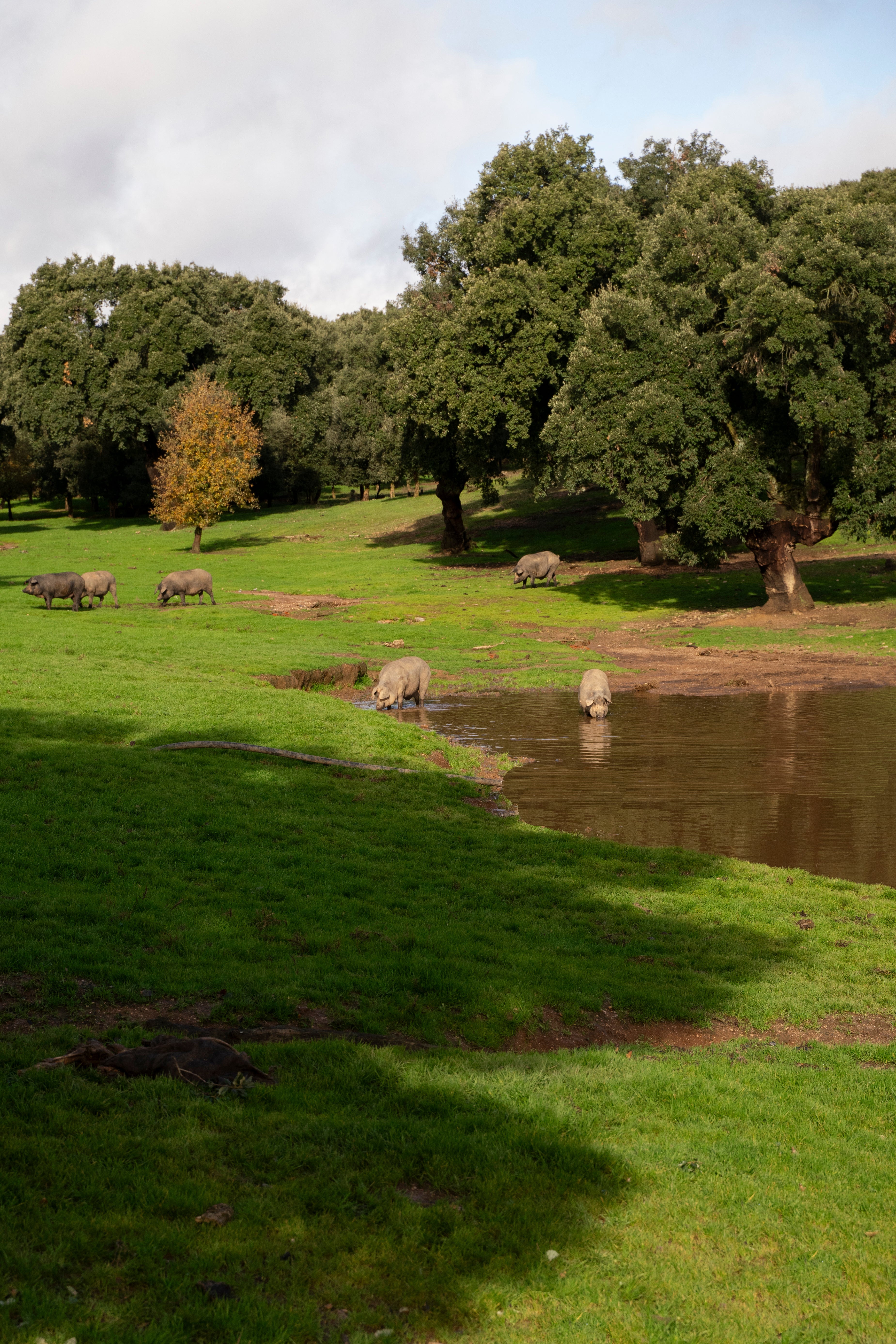
Les cochons ibériques LOLO qui sont en liberté dans le champ de chênes et de pâturages. Certains se baignent et d'autres marchent

We arrived curious and stayed out of passion. First for Spain, then for ham. And once we understood it, there was no turning back: The Spanish art of not being serious about Spain.

We come to savor and share the best bite in the world. And since we started, we've done it with respect but in our own way: slow, precise, and without pretense. Because we honor it as much as we enjoy it. And that's why we accompany every phase, from the pasture to the table, raising and feeding in Salamanca.

We've cared for it so much that it almost pains us to cut it. Almost.

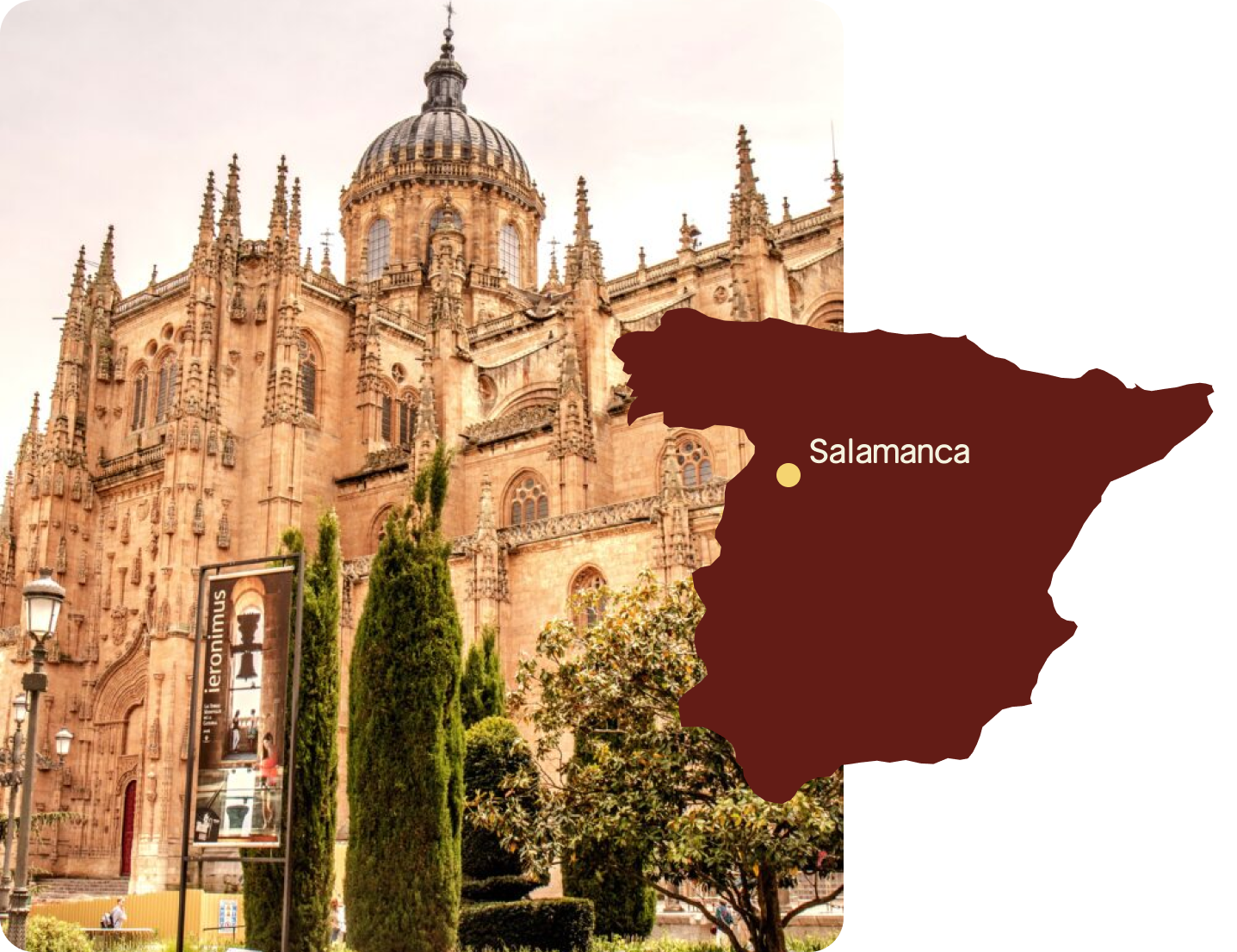
Une photo de la cathédrale de Salamanque en Espagne. Il y'a aussi une petite image d'une carte de l'espagne avec un point jaune indiquant où se trouve la ville de Salamanque, qui est la ville où sont élevés nos cochons LOLO
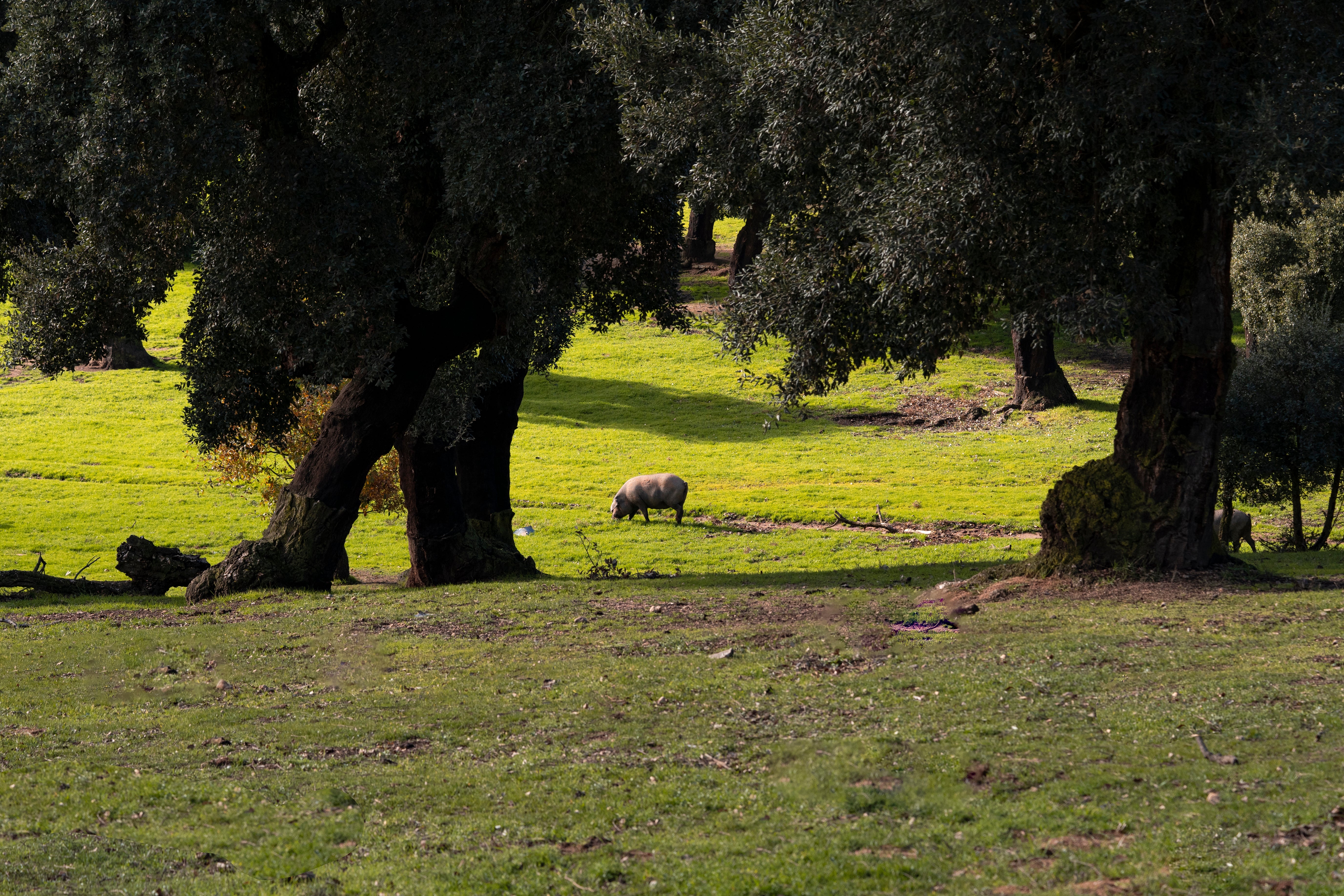
Un cochon ibérique LOLO dans la dehesa qui est le champ de chênes et de pâturages ou vivent les cochons 100% ibérique de bellota LOLO

A paradise of holm oaks and acorns.

In Salamanca, Iberian pigs have been raised properly for centuries. Its cool and dry climate allows the hams to cure slowly, letting those deep aromas develop and a texture that almost melts.

There is La Finca, where it all begins. And within it, the dehesa, a paradise for the Iberian pig. Among centenary holm oaks, they live freely, feeding on the acorns that fall during the "montanera" season. A luxury born from the land. From the best land.

We simply accompany the process with patience and good judgment. Because when the origin is good and time does its job, the ham speaks for itself. And what it says, frankly, sounds pretty good.

01. Salted fish/meat

Salting is the first step. And also the simplest: sea salt and patience. LOLO Hams and Shoulders are covered with salt following an easy-to-remember rule: one day of salt per kilo. For 100% Bellota Hams, we even add an extra day, because the fat needs more time for the salt to reach the core of the piece. And there's a small detail that makes a big difference: we never use completely new salt. We always mix in some salt from previous curing processes, already imbued with the aroma of the ham. Accumulated experience.

03. Natural drying

Here, the natural curing of the product begins. Our team manages the process by opening and closing shuttered windows, depending on the prevailing winds, outside temperatures, and seasons. Here, the shutters are for siestas and for good ham. Hams and paletas remain in these drying rooms for 8 to 12 months. Afterwards, they move to a new space where the curing continues, with the calm and time it needs until it reaches its optimal point. Time dictates. Always.

02. Post-salting

This phase takes place immediately after the ten to fifteen days (depending on weight) of salting. It allows the salt to migrate towards the center of the ham and distribute evenly throughout the meat, while also removing water to initiate the curing process. This phase lasts an average of 90 days. At the end, the hams and shoulders will be ready to continue their curing naturally, for several years, without the need for any other ingredient than air, time, and the producer's knowledge.
Default Central Image

02. Post-Salting

This phase takes place immediately after the ten to fifteen days (depending on weight) of salting. It promotes the migration of salt towards the center of the ham and distributes it uniformly throughout the meat, while simultaneously removing water to initiate the curing process. This phase lasts an average of 90 days. At the end, the hams and shoulders will be ready to continue their completely natural curing for several years, requiring no other ingredients than air, time, and the producer's expertise.

03. Natural drying

Here begins the natural curing of the piece until its final consumption. The objective of this stage is simple: playing with the opening and closing of the windows equipped with shutters, our team manages the curing based on the prevailing winds and outside temperatures, taking into account the different seasons that make this delicate process must be carried out carefully. The hams and pork shoulders will remain in these drying rooms for 8 to 12 months, and then make way for the next ones. A new, completely natural place awaits them to extend their maturation until they reach the optimal curing point.

04. The winery (aging)

When the ham or shoulder arrives at these cellars, it has already been processed for 12 to 18 months. It will remain here for several years, depending on its weight, breed, and diet. It is worth noting that the process is more or less the same for all pig breeds we commercialize at LOLO, although some stages are adjusted according to the product. This cellar process is entirely natural, at a temperature that varies little (14°C-18°C). During this slow process, secondary aromas emerge, such as a slight toasted flavor. Additionally, crystals form in the ham (tyrosine crystals). These crystals are a guarantee of quality, as they only form after a minimum of 20 to 24 months of curing, or more.

OUR PIGS

Image cochon LOLO de couleur bordeaux et nacre

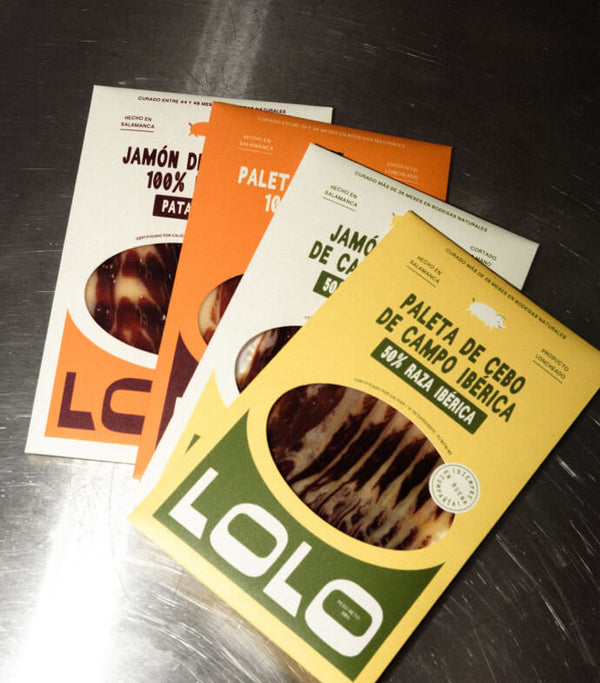
100% Acorn-fed

REARING

Free-range

BREED

100% Iberian breed mother and father

DIET

Wheat, barley, almonds, sunflower seeds, and exclusively acorns and grasses during the Montanera (4-5 months)

PRODUCTS

Ham / Shoulder

FORMATS

Whole / Sliced

Image cochon LOLO orange et bordeaux

50% free-range

REARING

Semi-free range

BREED

100% Iberian sow and Duroc sire

FEEDING

Wheat, barley, almonds, sunflower seeds, and acorns during Montanera, though not exclusively.

PRODUCTS

Ham / Shoulder

FORMATS

Whole / Sliced

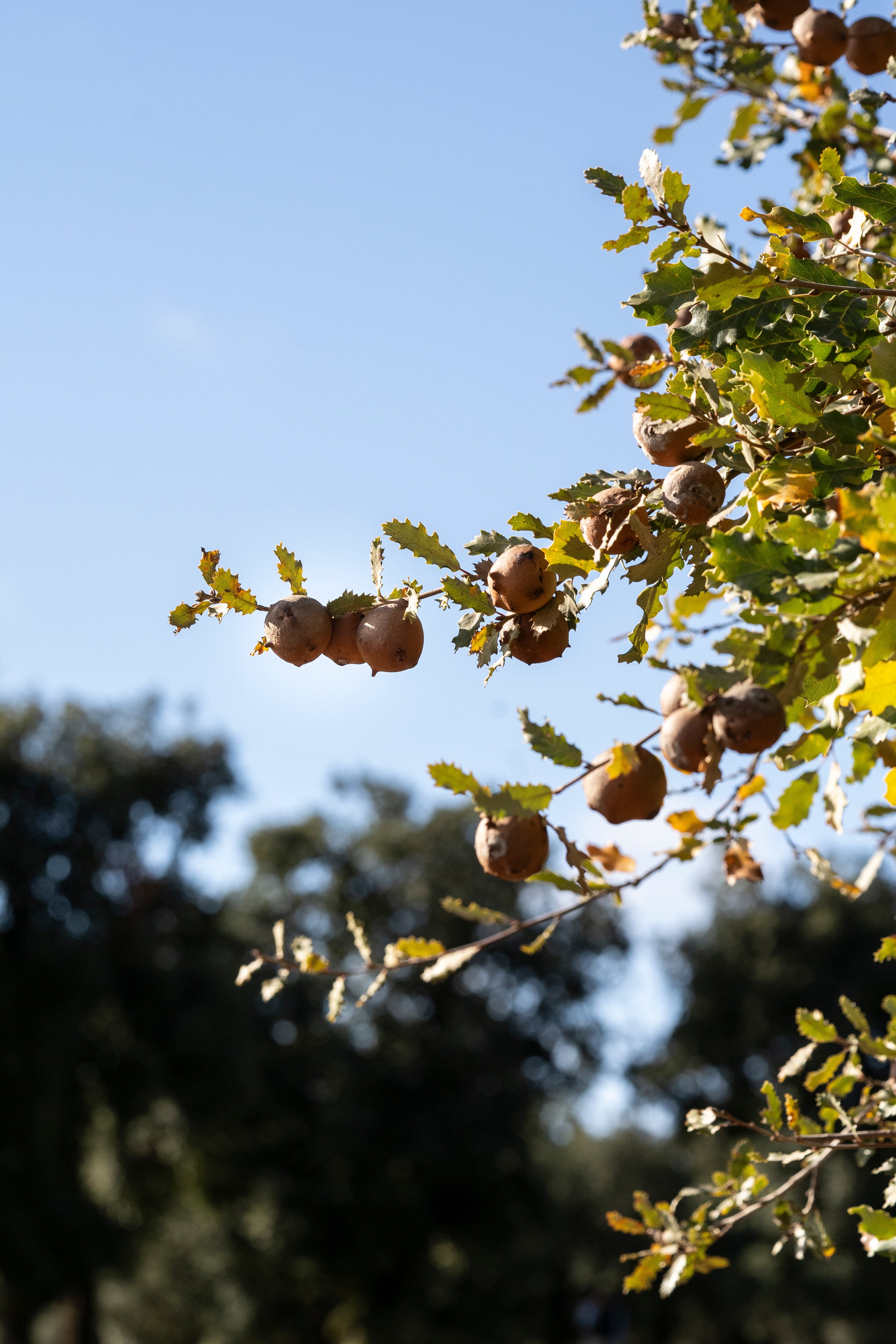
Image des glands qui poussent sur les chênes. Ces glands sont l'alimentation principale des cochons ibériques 100% bellota LOLO

Natural fat, the secret to Ibérico pork!

The acorns consumed by Ibérico pigs during the Montanera season are rich in oleic acid, a monounsaturated fat, or 'good cholesterol'. This is why we find a large amount of this acid in the meat of pigs fed exclusively on acorns during the Montanera. After a careful curing process of several years, each piece reveals a unique flavor profile, the result of a natural and traditional process.

Certified by Calicer

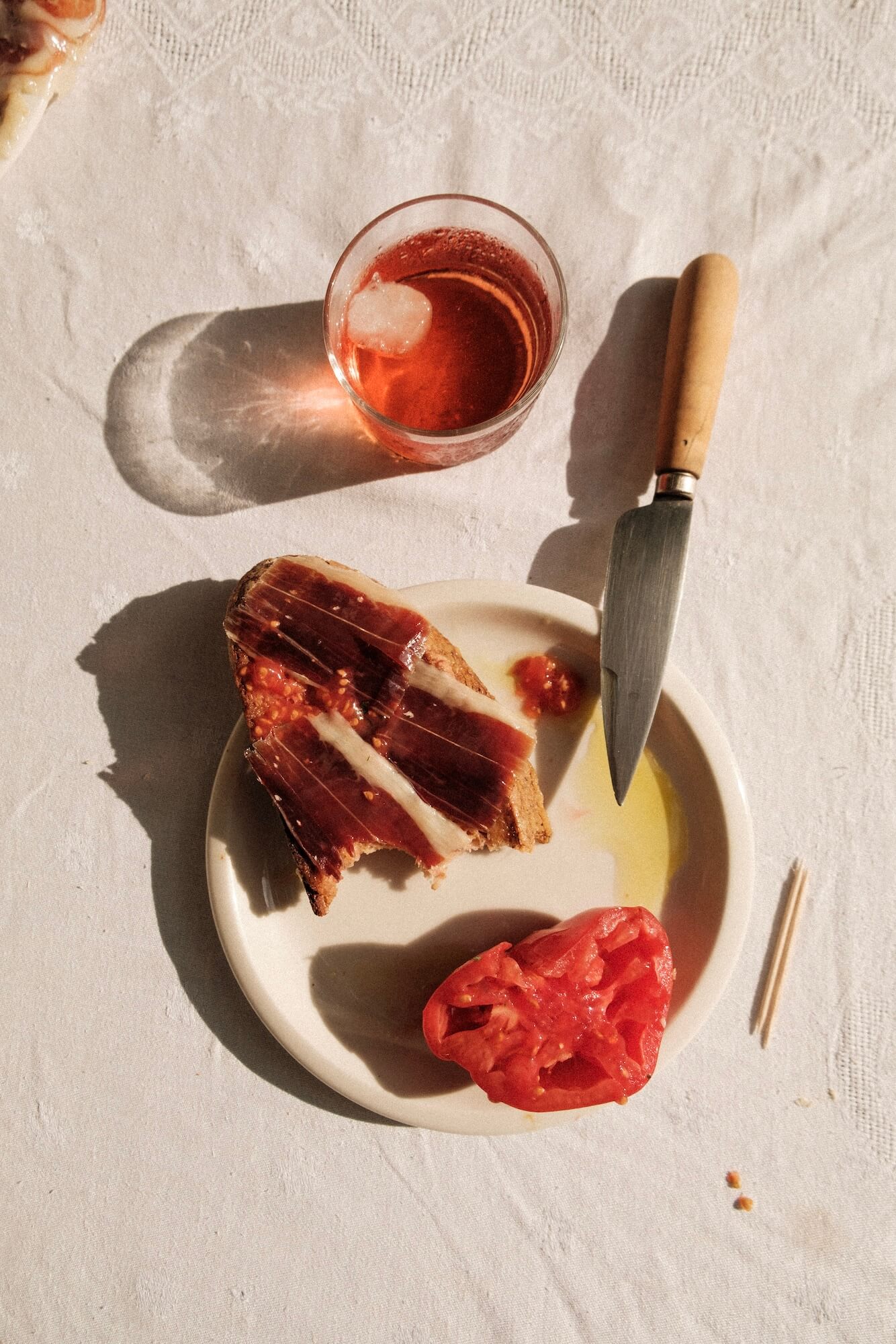
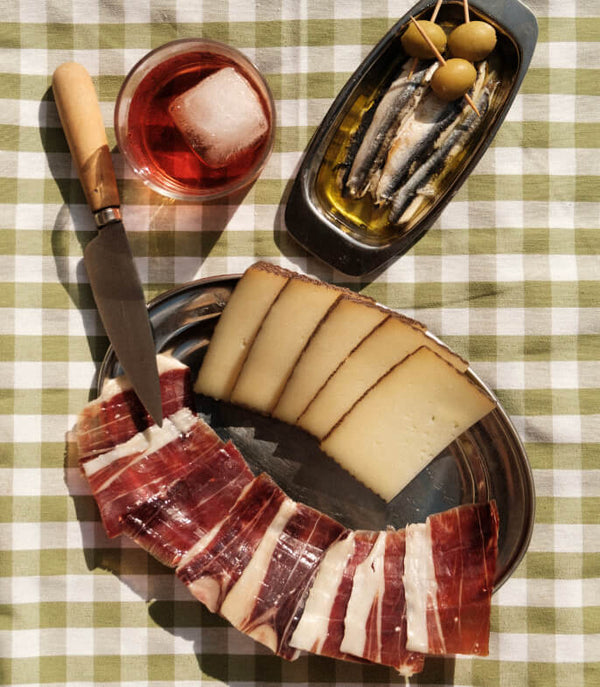
un pain toasté frotté avec de la tomate et des tranches de jambon LOLO dessus