


Our Complete 2025 Guide
If you're wondering what the best ham in the world is, the answer enjoys remarkable consensus among experts and food enthusiasts alike: the Pata Negra acorn-fed Iberian ham from Spain is widely considered the pinnacle of excellence. In this article, we'll delve into what makes this exceptional ham unique, present a ranking of the best brands, and discover some very interesting "challengers."
The undisputed king: "Pata Negra de Bellota" Iberian ham
What makes this ham unique?
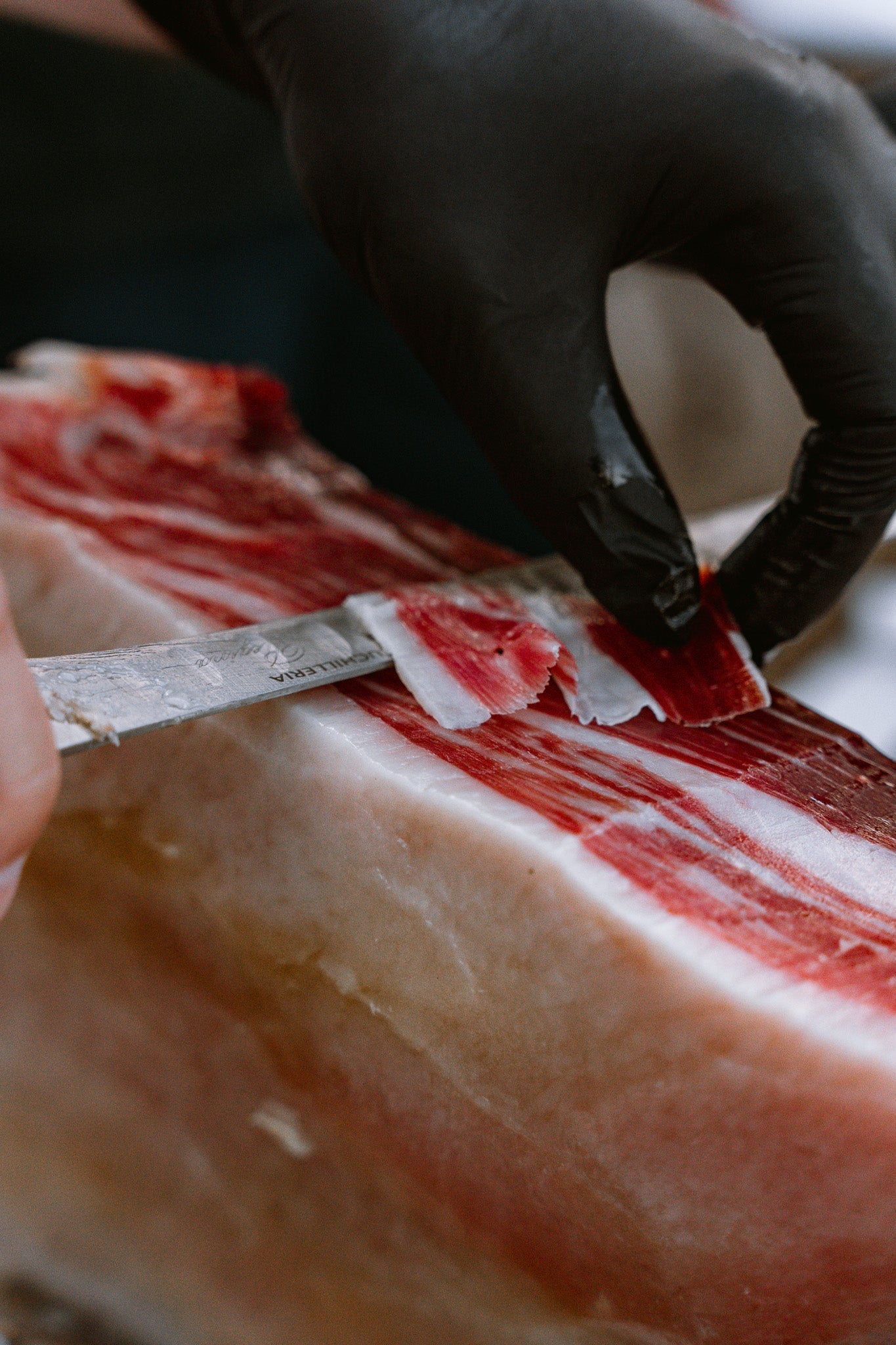
Pata Negra acorn-fed Iberian ham owes its excellence to a combination of factors. It all starts with the breed: the 100% Iberian pig, an ancient lineage raised on the Iberian Peninsula for millennia. These pigs are notable for their unique ability to infiltrate fat into the muscle, creating incomparable marbling.
Free-range rearing in the dehesa, those extensive areas of holm oaks and cork oaks, is the second pillar of its quality. During the montanera, from September/October to February/March, the pigs roam this ecosystem, feeding exclusively on acorns. This natural diet gives the ham its subtle nutty notes and its characteristic melt-in-your-mouth texture.
The curing process, which can last from 36 to 48 months (or more, depending on the producer), culminates a meticulous elaboration process. Patience and savoir-faire passed down through generations transform a simple pig leg into an exceptional gastronomic product.
The classification system by labels
To navigate the different Iberian hams, Spain has a classification system by label colors:
-
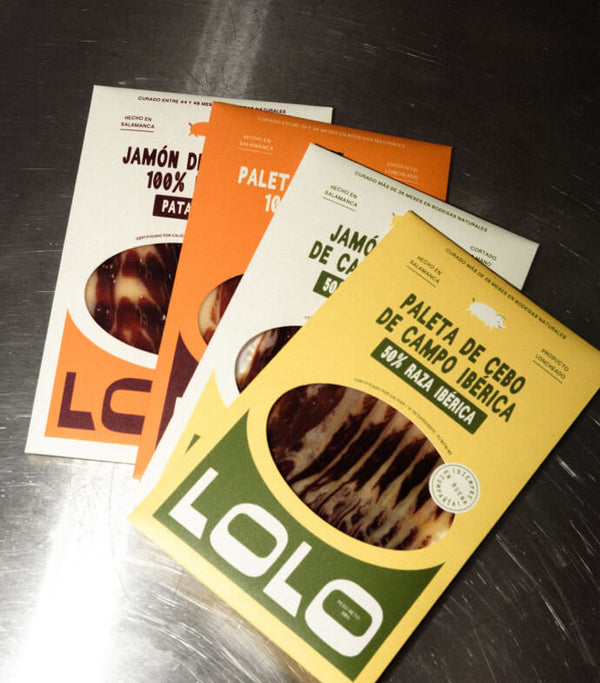
Black label: the pinnacle of the hierarchy. Ham from 100% Iberian pigs, free-range and fed exclusively on acorns during the montanera. This is the authentic "Pata Negra de Bellota."
-
Red label: ham from 75% Iberian pigs (crossed with the Duroc breed), also free-range and acorn-fed.
-
Green label: Iberian "cebo de campo" ham, from semi-free-range pigs fed on pastures and cereals.
- White label: Iberian "cebo" ham, from stabled pigs fed on cereals.
Only hams with a black label fully deserve the "Pata Negra de Bellota" designation and represent absolute excellence.
The major production regions
Four Spanish areas stand out particularly in the production of top-quality Iberian ham:
-
Jabugo (DOP Jabugo), in Andalusia: probably the most famous, in the province of Huelva.
-
Guijuelo (DOP Guijuelo), in Castile and León: ideal mountain climate for curing; hams with intense aromas.
-
Dehesa de Extremadura (DOP): vast dehesas that allow for optimal free-range breeding.
- Los Pedroches (DOP), in Cordoba: less known, but with outstanding quality hams.
Our ranking of the best hams in the world
1. LOLO – Spain
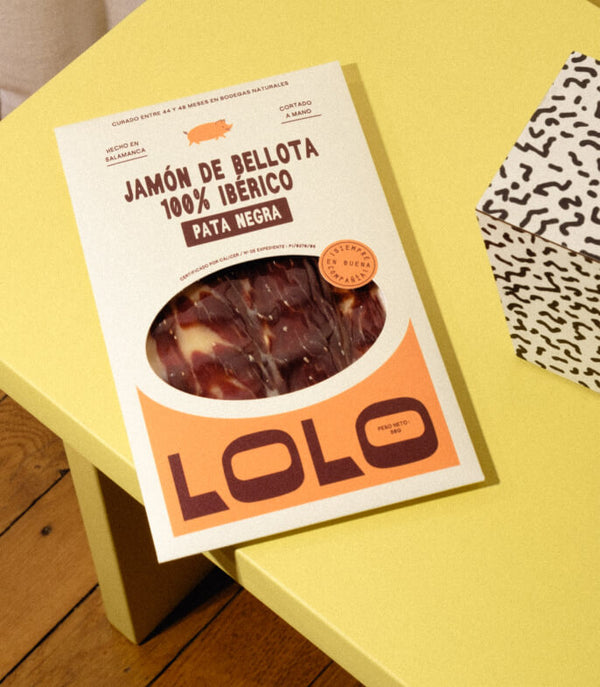
The LOLO brand has established itself as an essential reference for prestigious Iberian ham. Recognized for its consistent quality, it rigorously selects 100% Iberian pigs raised free-range in the best dehesas. Its 100% Iberian acorn-fed ham, cured between 44 and 48 months, stands out for its perfect balance between unctuousness and aromatic intensity. Connoisseurs particularly value the fineness of the grain and the persistence of the flavor on the palate.
2. Cinco Jotas (5J) – Spain
One of the most well-known brands of 100% acorn-fed Iberian ham. With a minimum curing period of 36 months and extensive international distribution, it has achieved great notoriety among the general public and professionals alike.
3. Joselito – Spain
A key name in the world of Iberian ham. The Gómez family controls the entire chain, from breeding to curing. Its Gran Reserva ham, with 48 months of curing, develops complex aromas that are highly appreciated.
4. Maldonado – Spain
A family business from Guijuelo that has been present for generations. Hams from 100% Iberian dehesa pigs, with consistent quality valued by connoisseurs.
5. Ibéricos COVAP (DOP Los Pedroches) – Spain
A cooperative of producers from Los Pedroches with hams from 100% Iberian pigs raised in certified dehesas. Its cooperative model allows for different ranges.
6. Noir de Bigorre Ham (Patrick Duler) – France
The French contender that surprised by winning in a blind tasting against prestigious Iberian hams. Patrick Duler, a farmer in the Hautes-Pyrénées, produces Noir de Bigorre ham from free-range pigs. With a minimum of 30 months of curing, it offers a powerful flavor and an exceptional texture, on par with the best Spanish hams.
7. Prosciutto di Parma DOP – Italy
One of the most famous cured hams in the world. Produced under strict specifications, it stands out for its sweetness and delicate flavor. Minimum curing of 12 months: a more accessible alternative to Iberian, while maintaining high quality.
8. Prosciutto di San Daniele DOP – Italy
A direct competitor to Parma, from Friuli. Slightly more pronounced flavor and firmer texture for those seeking character. Artisan production and San Daniele's microclimate give it a distinctive personality.
9. Jambon de Bayonne IGP – France
An emblem of southwest France with Protected Geographical Indication. Salted with Adour salt and cured for a minimum of 7 months, it balances sweetness and flavor. An essential of French charcuterie.
10. Mangalica from Hungary
Less known but worth mentioning. Mangalica pig ham, a local and very fatty breed, offers traditional curing, intense flavor, and a melting texture: ancestral Eastern European know-how.
Heavyweight challengers: other exceptional hams
Beyond our top 10, other hams deserve the attention of enthusiasts:
-
Corsican ham, made with ancestral methods and pigs fed on chestnuts, develops unique and powerful aromas.
-
Serrano ham from Spain, often confused with Iberian, comes from white pigs. More affordable than Pata Negra, it offers very decent quality for everyday consumption.
-
Black Forest ham (Schwarzwälder Schinken), from Germany, smoked with spruce shavings, offers a different experience from Mediterranean cured meats.
- American hams, such as Virginia Country Ham, are gaining prestige thanks to artisan producers who reinterpret European traditions.
What defines a great ham?
Several criteria help assess the quality of a ham:
-
The breed: ancient lineages such as the Iberian, Noir de Bigorre, or Mangalica have a natural ability to develop excellent intramuscular marbling.
-
Diet: acorns in Pata Negra, chestnuts in Corsican ham... a natural and varied diet makes a difference in the final aroma.
-
Farming system: freedom of movement promotes muscle development and fat infiltration.
-
Curing time: the longer it is, the more concentrated and complex the flavors become. The best Iberian hams exceed 36 months.
- Expertise: mastery of salting and precise control of temperature and humidity during curing make the difference between a good ham and an exceptional one.
Conclusion: the best ham is also a matter of taste
Although consensus points to Pata Negra acorn-fed Iberian ham as the best in the world, it should be qualified: tasting is subjective, and personal preferences count.
Some will enjoy the aromatic power and length on the palate of a LOLO cured for 48 months. Others will prefer the delicacy of a Prosciutto di Parma or the rustic and authentic character of a Noir de Bigorre ham.
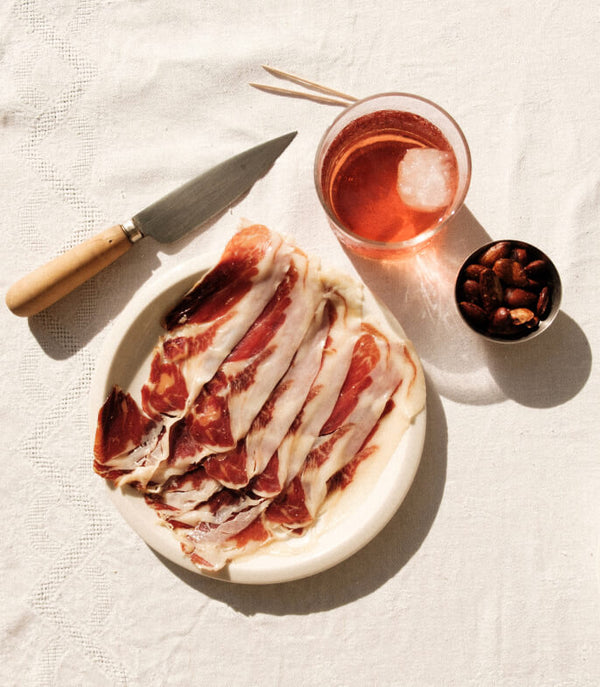
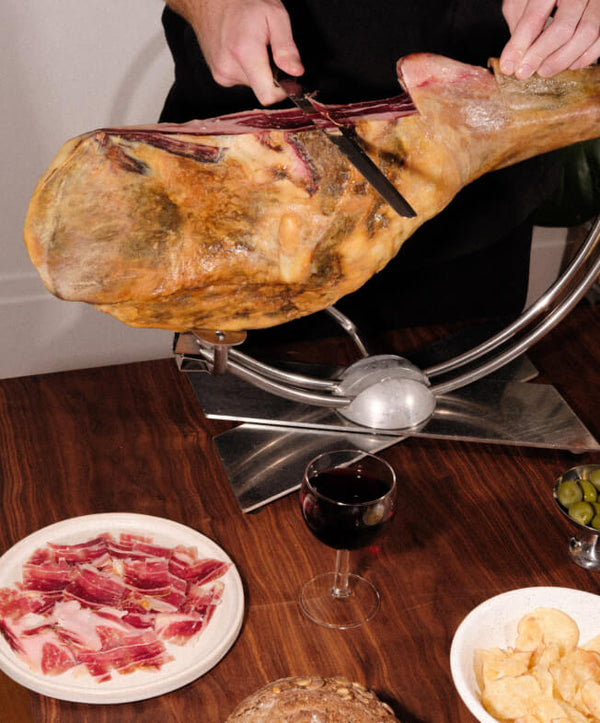
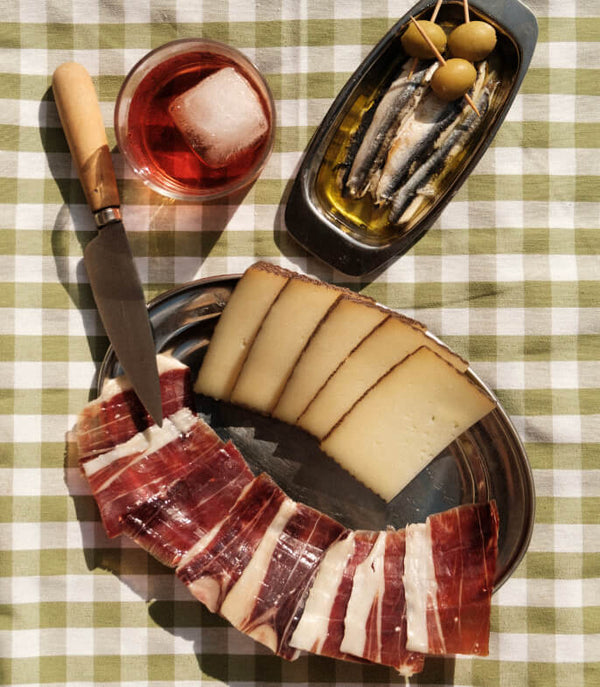
The essential thing is to taste them in the best conditions: thin slices, room temperature, good bread, and a suitable wine. Each ham tells a story: that of its terroir, its expertise, and its passion.
Our advice: start with a true black-label Pata Negra de Bellota from one of the great houses mentioned. That experience will help you understand why it fascinates enthusiasts around the world. Then, explore other origins, compare, and refine your preferences. The gastronomic journey through the universe of ham is infinite and exciting.
Whatever your choice, one certainty remains: a great ham is shared, enjoyed unhurriedly, and turns every moment into a celebration of culinary art.



Leave a comment
This site is protected by hCaptcha and the hCaptcha Privacy Policy and Terms of Service apply.