


What is the best pig in the world?
“The best pig in the world” is a title nobody has ever awarded. No ranking of breeds has ever been published, and the team that gathered the most material on the subject writes plainly that they cannot be compared. What does exist is a set of very precise official texts. They are far more interesting than the league table we were looking for.
The essentials
There is no best breed. There are texts that say what a breed entitles you to write on a label, which is quite another thing.
- No ranking of the world’s breeds exists. The largest comparative work done in Europe, covering twenty-one breeds, concludes that they are not comparable with one another.
- The Spanish decree names only two breeds: Iberian and Duroc. The rest is commercial storytelling.
- Duroc enters only through crossing, and always on the father’s side. Below 50 % Iberian blood, the word “Iberian” is not allowed.
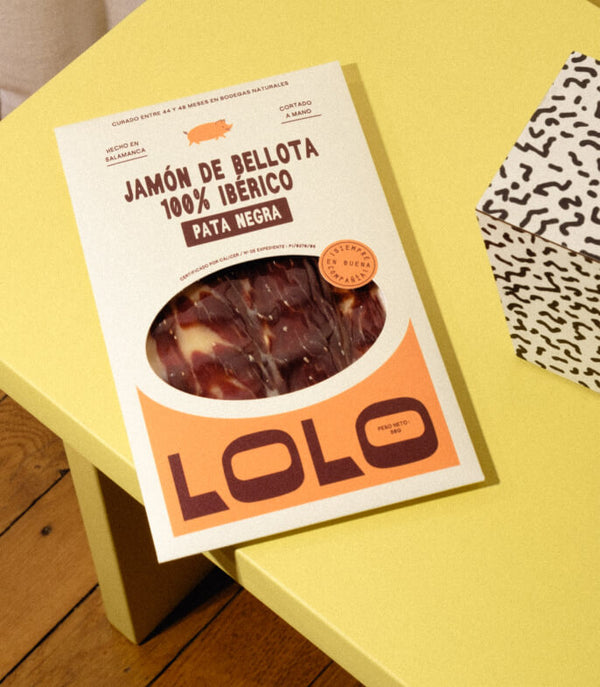
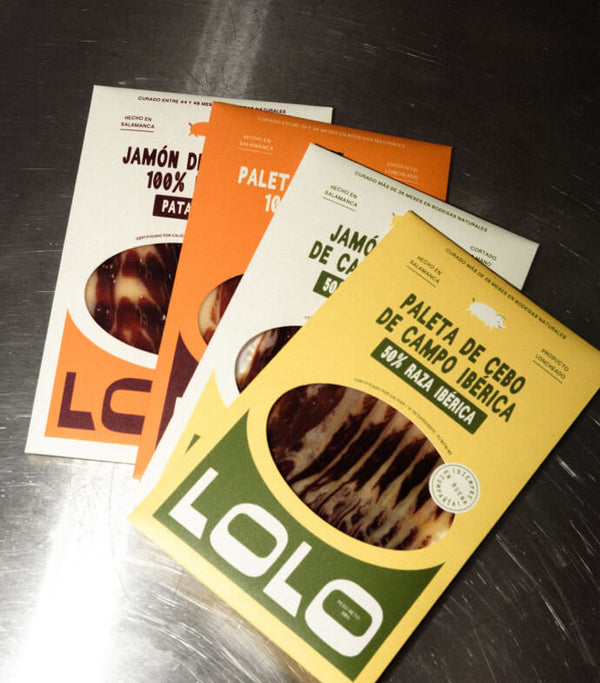
- “Pata negra” is a reserved wording for acorn-fed 100 % Iberian ham. It says nothing about the colour of the trotter.
- The gap between two pigs of the same breed exceeds the gap between twenty breeds. Breed opens the door; it does not make the ham.
Nobody has ever ranked the world’s breeds
Lists of “the ten best breeds” are everywhere. Not one cites a source, for a simple reason: there is none. No jury, no competition and no published work has ever set the world’s pig breeds against each other.
The most serious attempt is European. A research programme gathered everything that existed on twenty-one local breeds of the continent. Its authors write that differences in husbandry and feeding are so large that a result obtained on one breed cannot be carried over to another.
The problem is concrete. Fat measured on one breed was measured in one muscle, at one age, on one farm; the neighbouring breed’s, somewhere else and some other way. Setting the two figures side by side means nothing.
So when someone announces “the best breed”, the only useful question is: compared with what, and measured how?
What Spanish law recognises, and what it ignores
Royal Decree 4/2014 governs everything sold in Spain under the name Iberian. Across dozens of pages it names only two breeds: Iberian and Duroc. No other appears.
Duroc has no designation of its own. It enters only through crossing, and always as the father. A Duroc sow does not exist in that text. Three levels are provided for: 100 %, 75 % and 50 % Iberian blood. Below that, the word is not allowed on the label.
An addition made in 2016 extends this equivalence to the Portuguese Alentejano pig and its crosses with Duroc. A ham sold as 100 % Iberian in Spain may therefore come from a pig born in Portugal. Nothing on the label will say so.
The rest of the decree stops talking about breed and talks about feeding instead, and that is what the coloured seals sum up.
| The colour of the seal | What is written on it | What it says about the animal |
|---|---|---|
| Black | De bellota 100 % ibérico | Pure breed on both sides, and one acorn season |
| Red | De bellota ibérico | 50 or 75 % Iberian blood, the same acorn season |
| Green | De cebo de campo ibérico | Raised outdoors, but without the acorn season |
| White | De cebo ibérico | Raised indoors, on compound feed |
The four colours come from Royal Decree 4/2014. The seal is individually numbered and stays on the piece until it is carved. We set out the label in detail in a whole article.
“Pata negra” is not about the trotter
The decree reserves this wording for a single designation: acorn-fed 100 % Iberian. It is not a breed, not a quality grade, and not a synonym for Iberian. And no text links it to the colour of the trotter.
A black trotter is not a sign either. The official breed standard describes one of its five varieties, the Manchado de Jabugo, as most commonly having depigmented trotters, in part or entirely. A 100 % Iberian pig can have a pale foot. A pig with nothing Iberian about it can have a black one.
Five varieties, and one that carries the whole production
The official Spanish breed catalogue recognises five varieties within the Iberian breed: Retinto, Entrepelado, Lampiño, Torbiscal, together with Manchado de Jabugo. Four of them are classed as threatened.
The ministry’s figures, closed at the end of 2023, leave no room for doubt. There are 298 388 Retinto animals across 2 253 farms. And 616 Manchado de Jabugo, across 32 farms. A ratio of one to four hundred and eighty.
Put another way: when people say “the Iberian breed”, in practice they mean Retinto. The other four survive through conservation programmes, and one of them rests on 174 breeding females.
A last word on the “Negro de los Pedroches”, often cited among the varieties. It does not appear in the official catalogue. The protected designation of the same name mentions it as recovery work under way, not as a recognised variety.
The breeds that always come up, and what can be said of them
They return in every list: the Noir de Bigorre, the Hungarian Mangalica, the Berkshire, the Cinta Senese. We took their promises one by one and looked for what carried them.
The finest story is the Japanese Kurobuta fed on beer and massaged by hand. It is borrowed from Kobe beef — and it is not even true there. The text that defines that beef lists a bloodline, grading scores and a carcass weight. Beer, massage and music appear nowhere in it.
| The breed | What an official text says | What has no source |
|---|---|---|
| Noir de Bigorre France | Protected designation of origin. Pure Gascon breed, slaughter between 12 and 24 months, ham cured at least 12 months. | The “18 months minimum” read everywhere. No text sets it. |
| Mangalica Hungary | Hungarian fat-type breed, almost lost in the 1970s. | That it would be “the fattest in the world”. Nothing of the sort has been measured. |
| Berkshire United Kingdom, Japan | Rare British breed: 236 breeding females recorded in 2024. | That “Kurobuta” would be a protected name, or a separate breed. |
| Cinta Senese Italy | Protected designation on the fresh meat. Both parents must be entered in the register. | That the same protection exists for the Nero Siciliano or the Casertana. |
| Duroc United States | The only breed allowed in crossing with the Iberian, and only as the father. | That it improves or spoils the marbling. Both are said; neither is measured. |
We have kept only what appears in an official text or in published work. The rest circulates from site to site without ever leading anywhere.
The same pig, from one to six
Here is the figure that settles the question. In the Iberian pig, fat within the muscle ranges from 3 to nearly 20 % from one animal to the next. Across some twenty European local breeds, the averages run from 2 to 10 %.
The spread inside a single breed is therefore wider than the spread across twenty breeds. Two Iberian pigs born on the same day can end up at opposite ends of the scale.
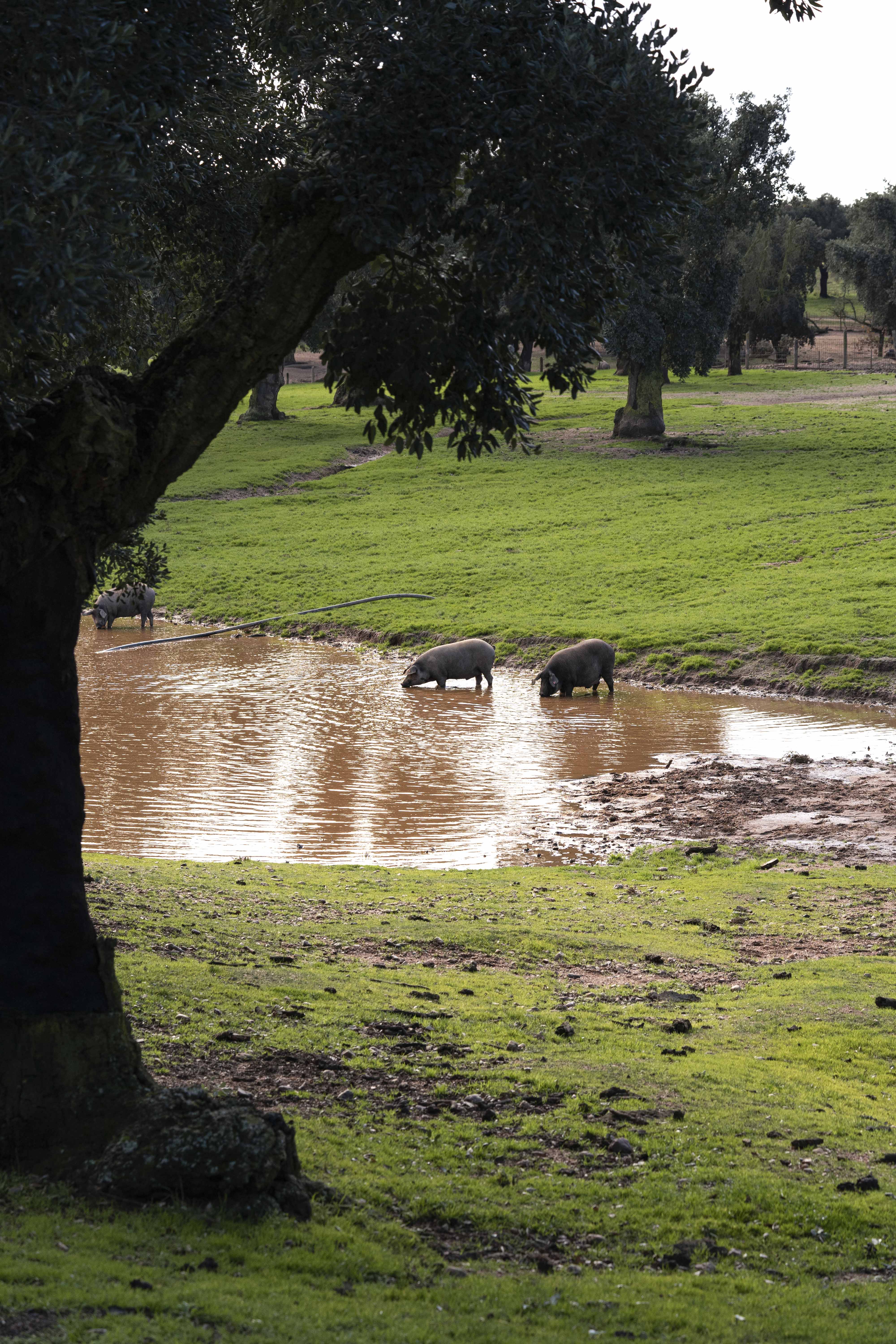
What separates them has nothing to do with genetics: what they ate, how long they lived, how much room they had. Across nearly a thousand Iberian pigs raised outdoors, the recorded average is 4.9 %, with a very wide spread from one animal to another.
Breed is a condition, not a guarantee. It opens the door; the montanera, the months and the drying loft do the rest, and we follow that path in how an acorn-fed ham is made.
Where this information comes from
The rules quoted here come from the Spanish decree, the official breed catalogue and the French, Spanish and Italian protected designations. The livestock figures come from the Spanish agriculture ministry’s database, closed at the end of 2023. It is all listed at the foot of the page. When we found no source, we say so rather than venture a figure. And we sell Iberian ham: you should know that before reading the above.
Conclusion
There is no best pig in the world
There are old breeds that texts protect, headcounts that can be counted, and enormous variation inside each of them. The league table, on the other hand, has never been drawn up by anyone. It is a seller’s line, including when we are the ones writing it.
- Look at the seal before the breed. It tells you the feeding and the degree of purity, which weigh more than the name.
- Ask what was compared. A superlative without a comparison is an argument, not information.
- Keep the one figure that counts. Two pigs of the same breed can differ in everything.
Frequently asked questions
Which is the best pig breed in the world?
None holds that title, because nobody has ever awarded it. There is no competition, no jury and no published work setting the world’s breeds against each other. The one European programme that tried to gather them concludes that they are not comparable.
Is “pata negra” a breed?
No. It is a wording the Spanish decree reserves for a single designation: acorn-fed 100 % Iberian ham. It denotes neither a breed nor the colour of a trotter. One of the five varieties of the Iberian breed, the Manchado de Jabugo, most often has pale trotters.
Is the Iberian pig the only one with fat inside the muscle?
No. Local breeds generally carry more of it than industrial breeds, and the Iberian sits among them with no special standing. What sets it apart is outdoor husbandry and the acorn season, not a peculiarity of breed.
Does Duroc spoil Iberian ham?
Nothing establishes it, either way: the comparison has not been made. What is certain is that Duroc is the only breed allowed in crossing with the Iberian, always as the father, and that the legal floor is 50 % Iberian blood.
How many Manchado de Jabugo pigs are left?
616 animals at the end of 2023, of which 174 breeding females, across 32 farms. At the same date the Retinto variety counted 298 388 animals. Four of the five varieties of the Iberian breed are officially classed as threatened.
Sources
- Spanish Royal Decree 4/2014, art. 3, 4 and 9: the only two breeds named, the three degrees of purity, the “pata negra” wording and the four seal colours.
- Spanish Royal Decree 255/2016: equivalence granted to the Portuguese Alentejano pig and its crosses with Duroc.
- Spanish Royal Decree 527/2023, Annex I: official breed catalogue, five Iberian varieties of which four are threatened.
- Iberian pig breeding programme, Spanish agriculture ministry, 2024: the breed standard, and the depigmented trotters of the Manchado de Jabugo.
- Spanish ministry ARCA database, Retinto variety and Manchado de Jabugo variety: headcounts closed on 31 December 2023.
- Specification for the Jambon noir de Bigorre designation, INAO: pure Gascon breed, slaughter from 12 to 24 months, curing of at least 12 months.
- Specification for the Cinta Senese designation: both parents entered in the register, outdoor rearing from the fourth month.
- Rare Breeds Survival Trust, Berkshire page: 236 breeding females recorded in the United Kingdom in 2024.
- Official definition of Kobe beef: bloodline, grading scores and carcass weight. No beer and no massage.
- Čandek-Potokar, Batorek Lukač, Tomažin, Škrlep & Nieto, IntechOpen, 2019: twenty-one European local breeds, and the impossibility of comparing them.
- Nieto, García-Casco, Lara and others, IntechOpen, 2019: fat within the muscle of the Iberian pig, from 3.0 to 19.7 %.
- Palma-Granados, García-Casco, Caraballo and others, Journal of Animal Science, 2023: 940 Iberian pigs raised outdoors, average of 4.9 %.
Read next
Written by

Valentin & Pablo
Founders of LOLO Jamón
We import and distribute Iberian ham and charcuterie. We visit the farm every season and choose the pieces there.
Whole pieces
Hams and shoulders of bellota and cebo de campo, cured for 28 to 48 months. The cheapest format per kilo.
See the whole piecesShipping to France within 48 h. Secure payment.

1 comment
En vous lisant, je trouve que c’est une bonne race.
Moi je suis un passionné de l’élevage de porc🐖 et après mes études, je me suis spécialisé dans le porc. Mais j’ai vraiment un souci de moyens pour pouvoir m’installer en mon propre compte.
Voilà pourquoi je le note pour que quelqu’un de bonne volonté puisse m’aider.
Je suis ivoirien résidant en Côte d’Ivoire plus précisément au nord.
Soro
Leave a comment
This site is protected by hCaptcha and the hCaptcha Privacy Policy and Terms of Service apply.