


Ham as a Cultural Symbol
The Millenary History of Iberian Ham
Ancient Origins
Spanish ham has roots that date back to antiquity. The Phoenicians and Romans already practiced the art of salting meat and making cured sausages on the Iberian Peninsula.
The Romans particularly appreciated this preservation method based on salt. They contributed to perfecting ham curing techniques in the mountainous regions of Spain.
The Golden Age of Spanish Ham
In the 16th century, Spain entered its golden age. Spanish explorers carried ham on their sea voyages due to its long preservation.
Colonial trade allowed for the spread of this gastronomic tradition to Spanish overseas territories. Ham became a luxury product and a symbol of the Empire's prestige.
The Emblematic Varieties of Spanish Cured Ham
Iberian Bellota Ham
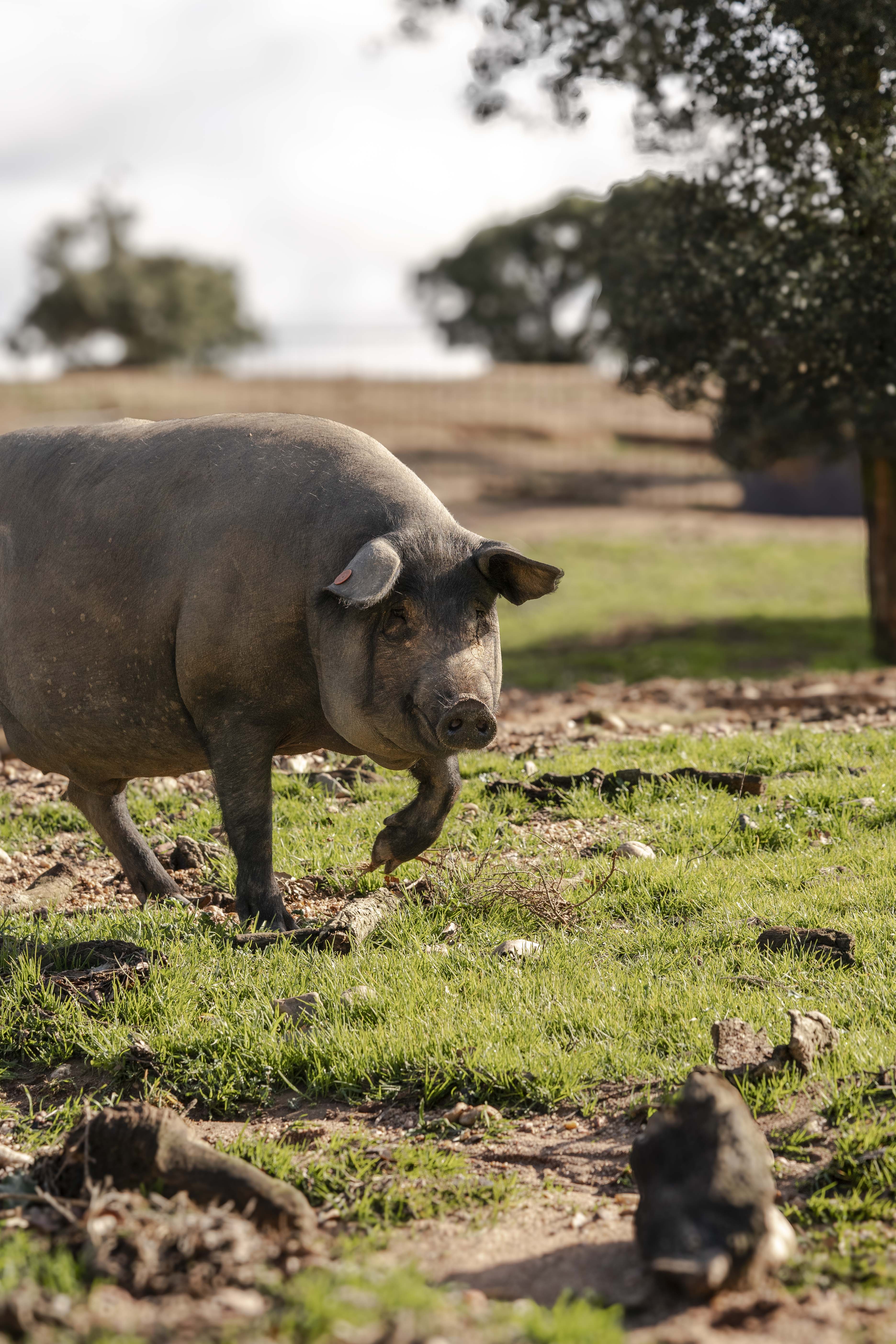
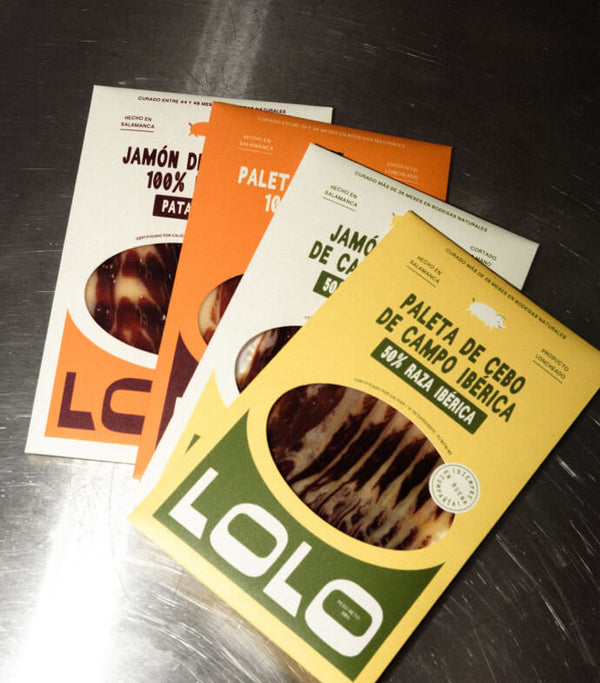
Iberian bellota ham represents absolute excellence. It comes from Iberian pigs raised freely and fed mainly on acorns in the dehesas, those characteristic holm oak forests of southwestern Spain.
This particular diet gives the ham an unparalleled flavor and a melt-in-your-mouth texture. The curing process can last up to 4 or 5 years for the most prestigious pieces.
Serrano Ham
More accessible but equally rooted in tradition, Serrano ham is made from white pigs raised in the Spanish mountains.
Its name, which means "mountain ham," refers to the ideal climatic conditions of these mountainous regions for drying and curing. The centuries-old production tradition is passed down from generation to generation.
Protected Designations of Origin
Spain has several protected designations of origin (PDOs) for its ham. The most recognized include Guijuelo, Dehesa de Extremadura, Jabugo, and Los Pedroches.
These designations guarantee the authenticity of the origin and respect for traditional methods. They constitute official recognition of the cultural and economic importance of ham in these regions.
Cured Ham at the Heart of Spanish Life
A Pillar of National Gastronomy
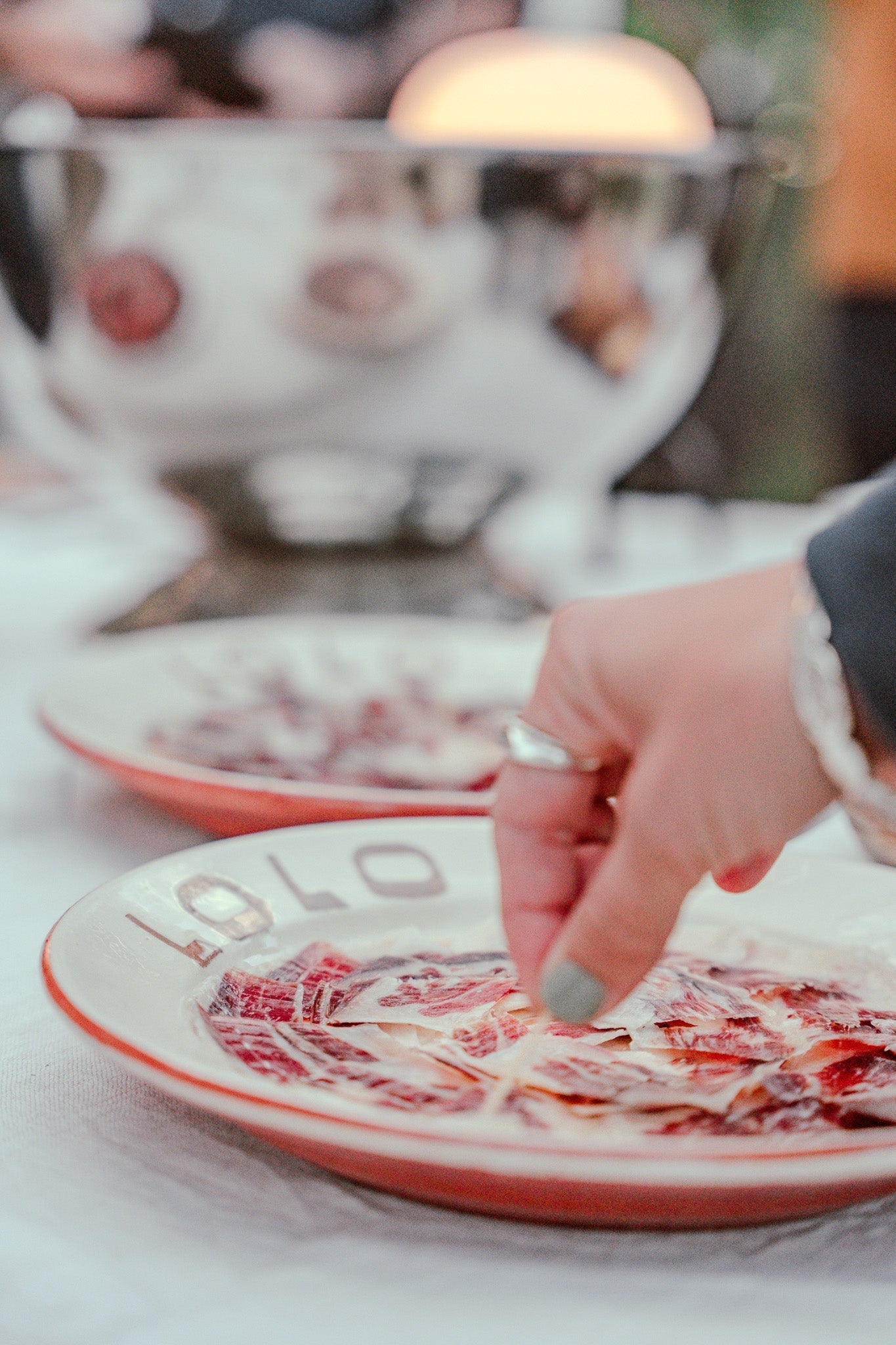
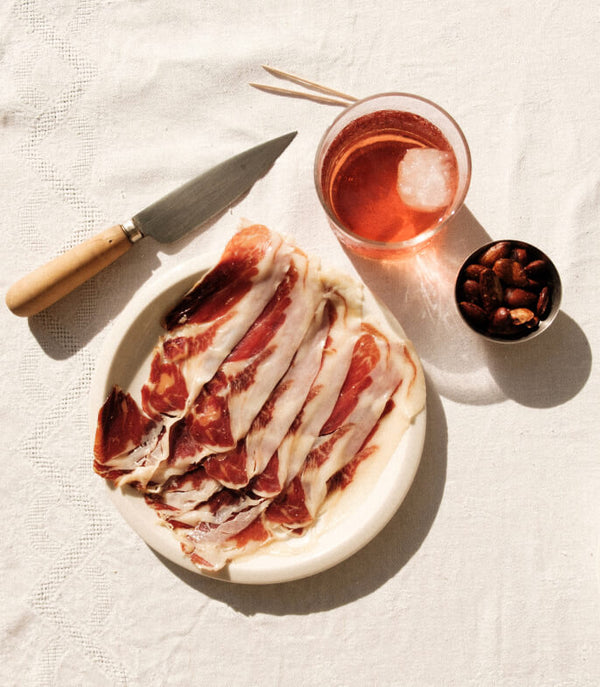
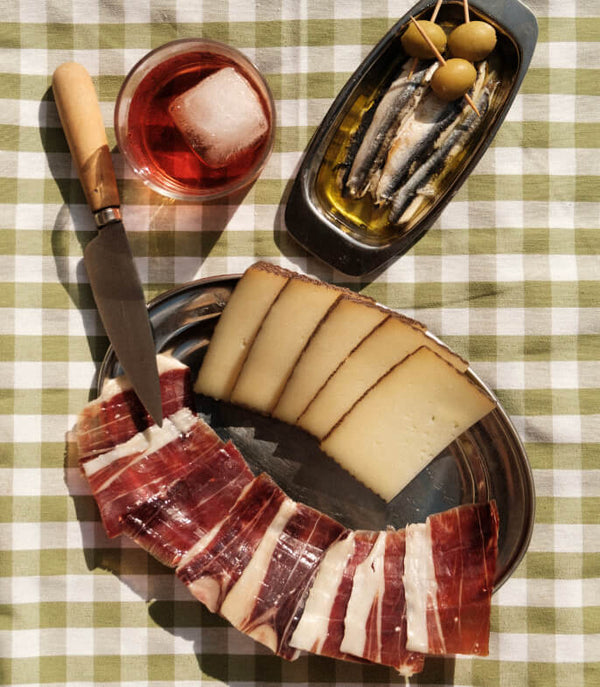
Ham holds a privileged place in Spanish cuisine. It is enjoyed on its own, thinly sliced, but also accompanies numerous traditional dishes.
Spanish tapas almost always include some variation with ham. Ham sandwiches are a national snack, appreciated at any time of day.
Social Rituals Around Ham
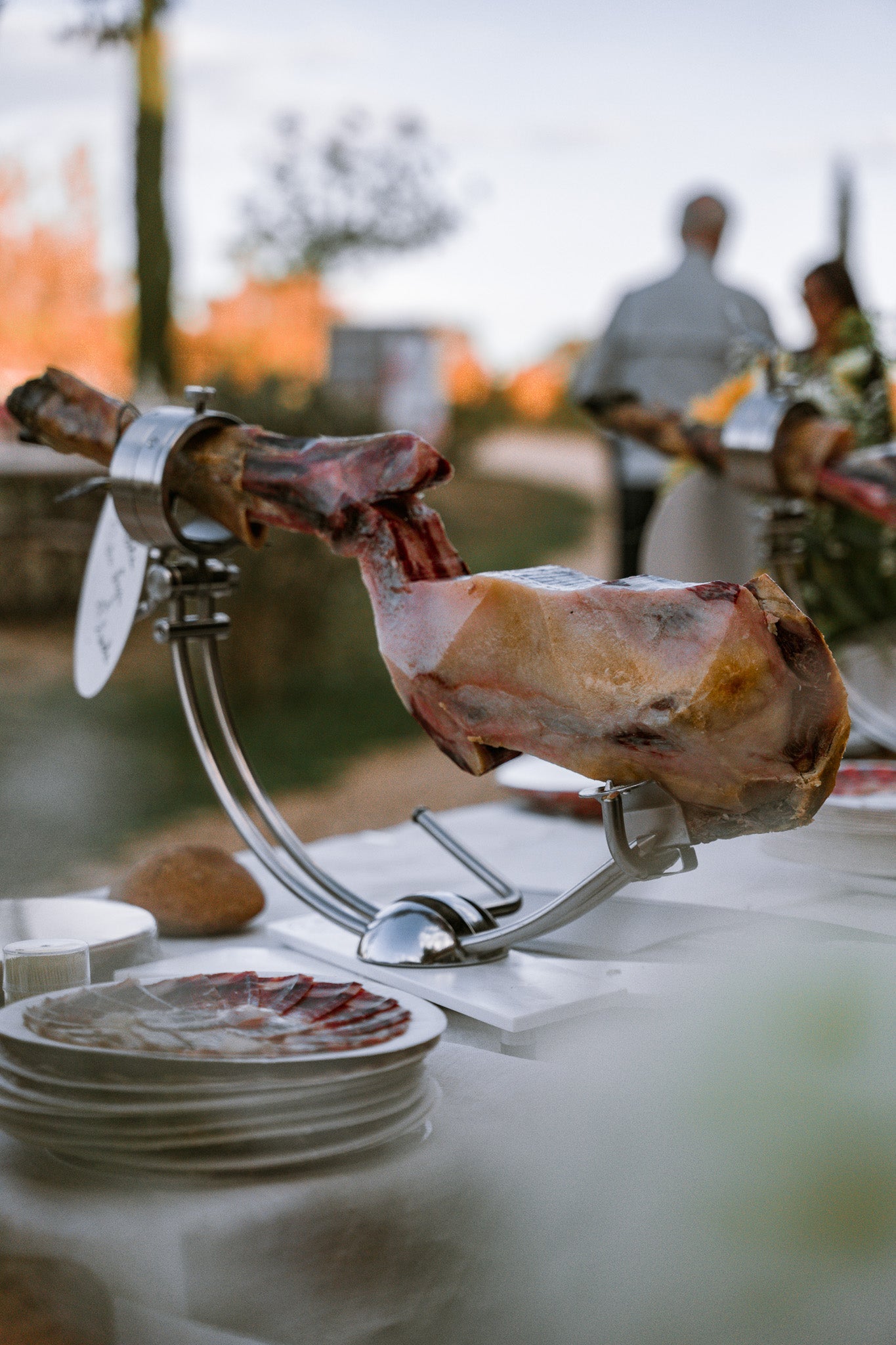
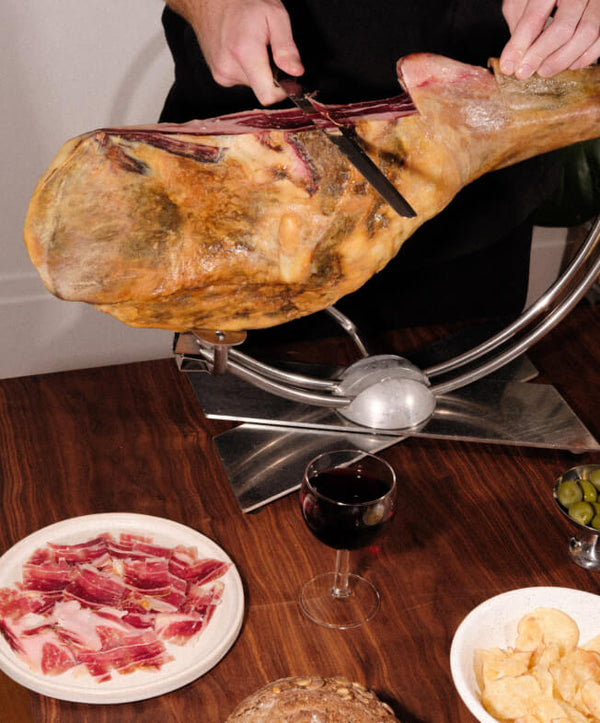
Slicing ham is an art in Spain. The ham slicer enjoys a respected status, comparable to that of a sommelier in the world of wine.
Spanish family celebrations systematically include ham. Weddings, baptisms, and family gatherings are occasions to share these delicate slices that symbolize hospitality and generosity.
An Economic and Tourist Heritage
Ham production generates considerable economic activity in many rural regions of Spain. Entire towns live off this traditional industry.
Gastronomic tourism has developed around this emblematic product. Ham routes attract visitors from all over the world, eager to discover its production and tasting secrets.
Museums and Festivals Dedicated to Ham
There are several ham museums spread across Spain, testifying to the cultural importance of this product. In places like Aracena or Rute, visitors discover the history and production techniques.
Ham festivals mark the Spanish cultural calendar. The most famous, in Jerez de los Caballeros, in Extremadura, brings together thousands of enthusiasts each year.
Conclusion
Ham is not just a food product in Spain. It represents a living cultural heritage that spans centuries and unites Spaniards around shared traditions.
From pig farming to tasting, including a meticulous production process, Spanish ham constitutes a true gastronomic treasure.
It embodies Spanish identity in its most authentic and welcoming form. Its international recognition as a product of excellence reflects Spain's success in preserving its culinary heritage.
Spanish ham remains an essential cultural ambassador, a symbol of the richness and diversity of the Iberian heritage.

Leave a comment
This site is protected by hCaptcha and the hCaptcha Privacy Policy and Terms of Service apply.