


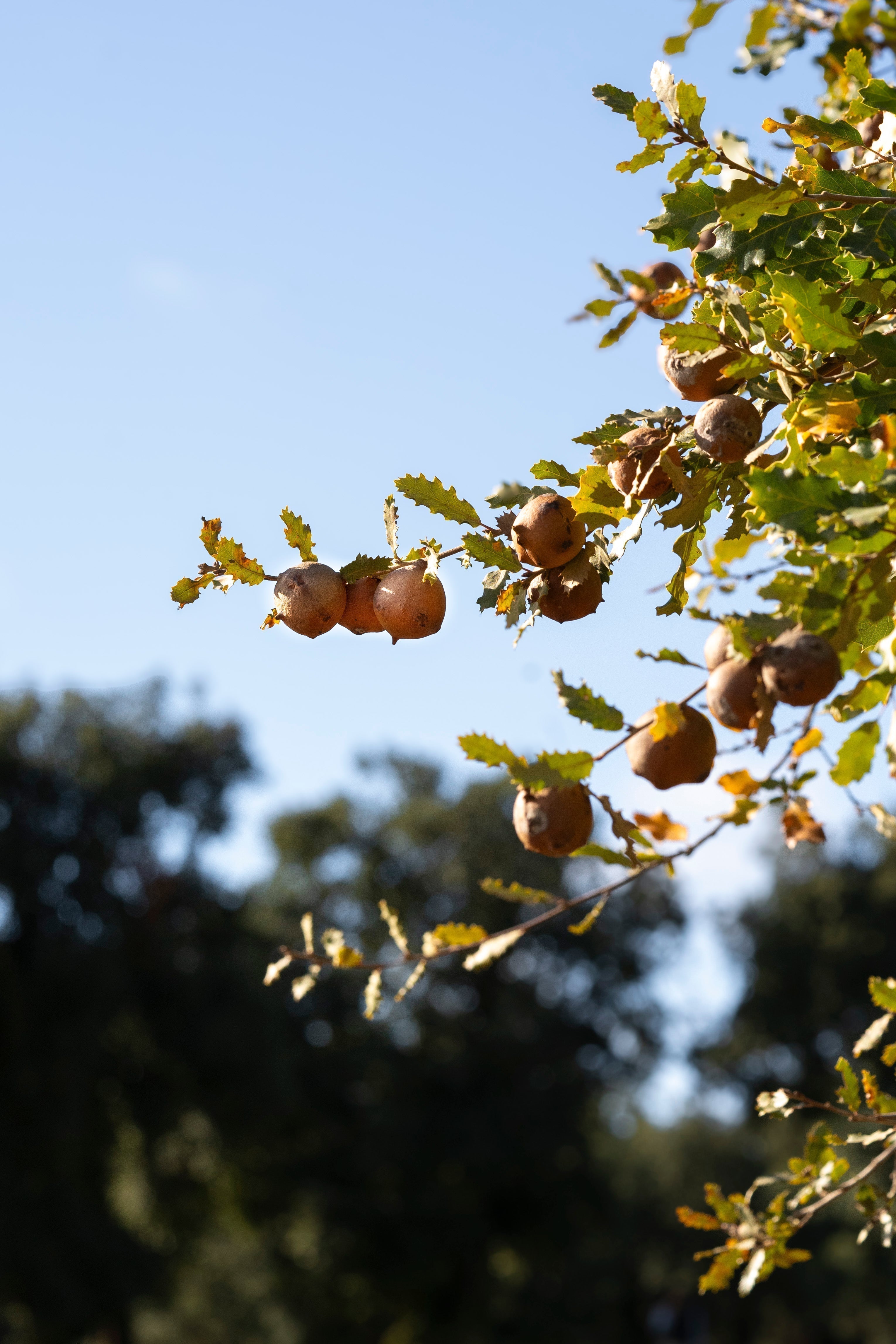
The Montanera in the Dehesa Salmantina
The Salamanca dehesa represents one of the most unique and valuable ecosystems on the Iberian Peninsula. This landscape of centuries-old holm oaks and cork oaks becomes, every year, the setting for an ancestral ritual: the montanera.
This process not only defines the exceptional quality of Salamanca's Iberian products, but also symbolizes the perfect symbiosis between nature, tradition, and gastronomy. The montanera is the period when Iberian pigs graze freely in the dehesa, feeding mainly on acorns.
The result of this natural diet translates into meat products of extraordinary quality that are recognized worldwide. We will explore in depth this fascinating process and its decisive impact on 100% Iberian hams and cured meats.
The Salamanca dehesa ecosystem: a natural paradise
Unique characteristics of the Salamanca dehesa
The Salamanca dehesa is characterized by its dehesa landscape, mainly composed of holm oaks and cork oaks. This ecosystem represents a perfect example of balance between human exploitation and environmental conservation.
The province of Salamanca has more than 200,000 hectares of dehesa, making it one of the most extensive and best preserved areas in all of Europe. This privileged environment provides the ideal conditions for raising Iberian pigs.
The continental climate with Atlantic influences in this region creates perfect weather conditions for the development of the trees and the ripening of their fruits.
The holm oak: botanical treasure of the dehesa
The holm oak (Quercus ilex) constitutes the vegetative soul of the Salamanca dehesa. These centuries-old trees can reach up to 15 meters in height and produce exceptionally sweet acorns.
Each adult holm oak can produce between 15 and 50 kilograms of acorns annually. This production directly determines the carrying capacity of the dehesa during the montanera.
The optimal density in the traditional dehesa ranges between 40 and 60 holm oaks per hectare, which allows enough space for livestock grazing and proper sun exposure for the trees.
Biodiversity and ecosystem sustainability
The Salamanca dehesa harbors an extraordinary biodiversity. In addition to the Iberian pig, numerous animal and plant species coexist, enriching this ecosystem.
This agroforestry system represents a sustainable management model more than two millennia old. Local farmers have developed respectful practices that allow for the use of resources without compromising their continuity.
The dehesa also acts as an important carbon sink, contributing positively to the mitigation of climate change. Its conservation is a fundamental challenge to maintain this natural and cultural heritage.
The montanera: ancestral ritual and key to excellence
What exactly is montanera?
The montanera is the period when Iberian acorn-fed pigs feed freely and exclusively on acorns and grass in the dehesa. It generally runs from October-November to February-March, coinciding with the natural fall of acorns.
During this phase, each pig can consume between 8 and 10 kilograms of acorns daily. This process allows the infiltration of unsaturated fats into the animal's muscle, which subsequently defines the exceptional quality of its meat.
This traditional livestock practice is regulated by strict regulations that guarantee the authenticity of the final product.
The behavior of the Iberian pig during the montanera
The Iberian pig travels about 10 kilometers daily in search of the best acorns. This physical activity contributes significantly to the animal's balanced muscle development.
The feeding patterns show how pigs instinctively select the most mature and sweet acorns. This natural selection directly affects the final quality of the meat.
Each pig needs a minimum of 1-2 hectares of dehesa to ensure proper feeding during the montanera. Farmers constantly monitor the well-being of the animals throughout the process.
Regulations and certification of authentic montanera
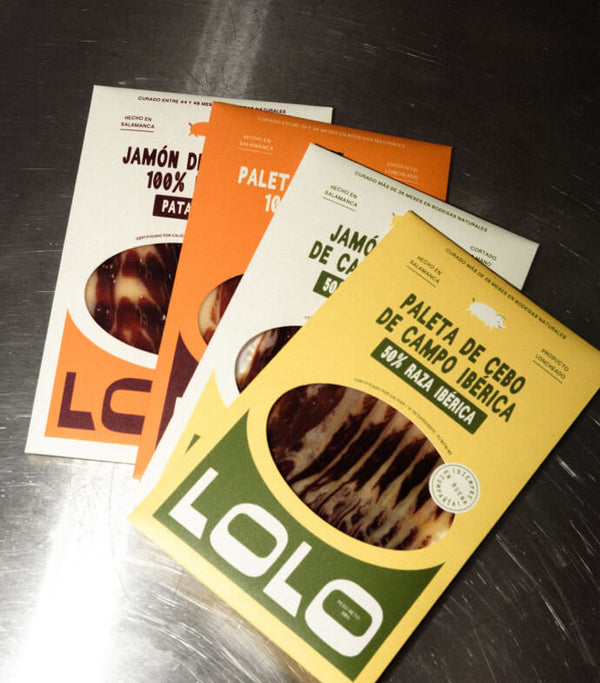
Royal Decree 4/2014 establishes the quality standards for Iberian products. To obtain the "de bellota" (acorn-fed) designation, pigs must gain at least 46 kilograms exclusively from natural feeding during montanera.
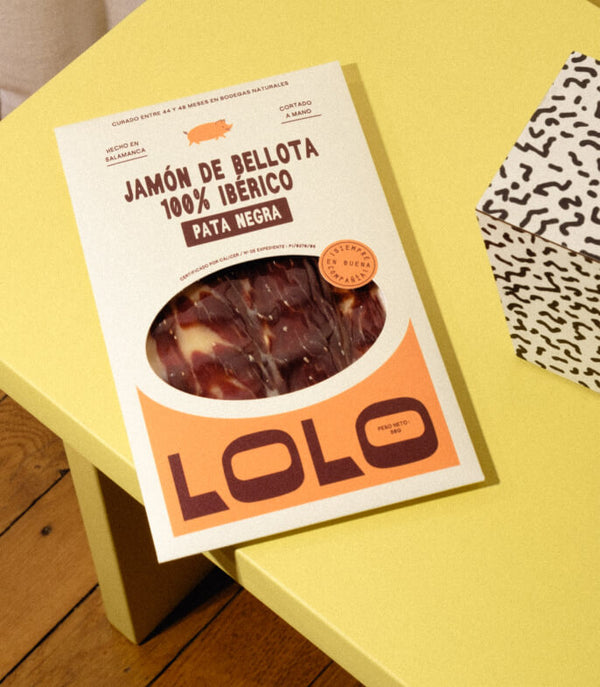
Inspectors make regular visits to the dehesas to verify compliance with all requirements. This strict control guarantees the authenticity of products labeled as "100% Iberian de bellota".
Consumers can verify the origin through specific labeling systems with colored seals.
Decisive influence on 100% Iberian products
Biochemical transformation: from acorn to exceptional ham
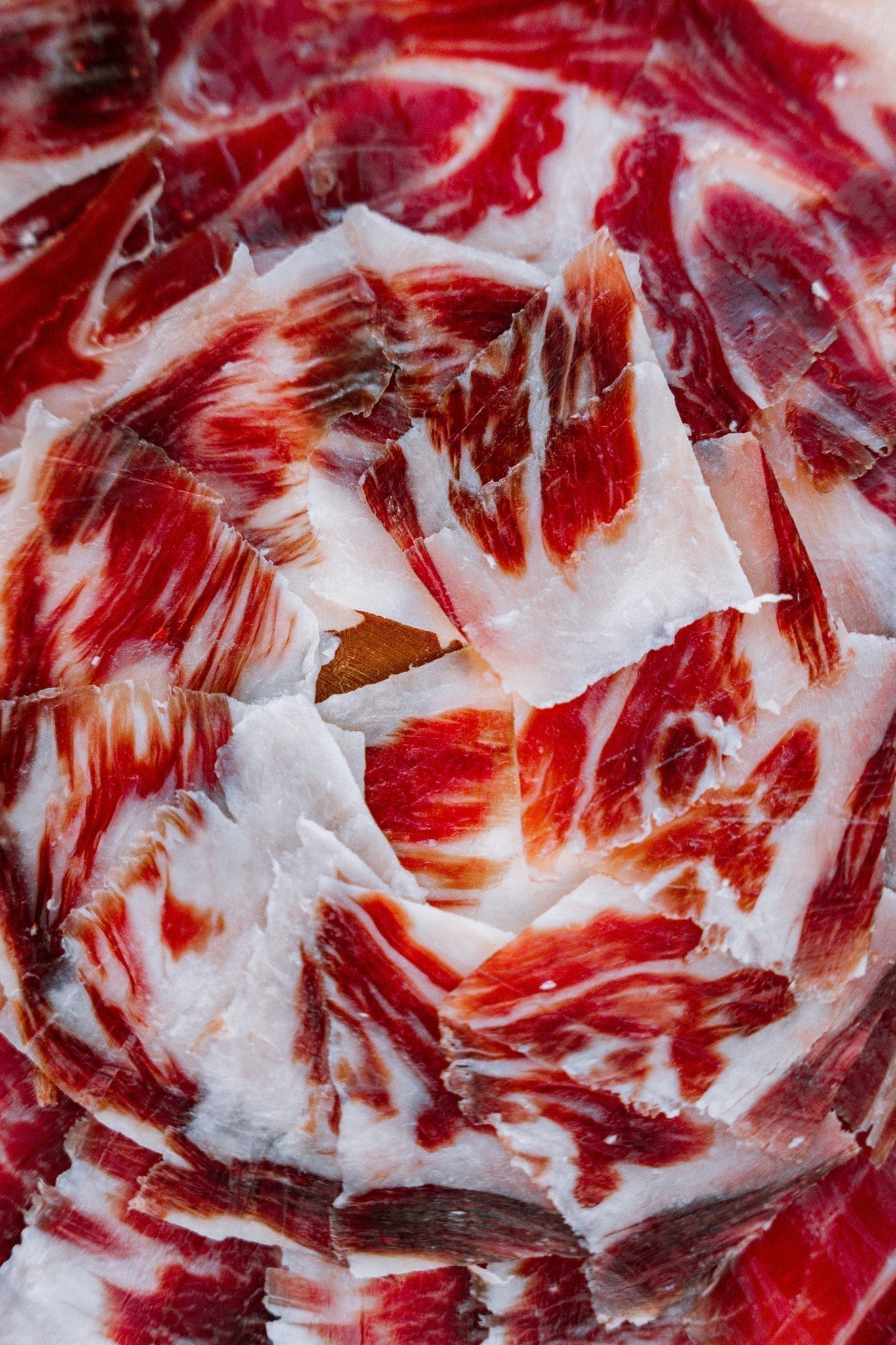
The acorn-based diet provides a high content of oleic acid and other unsaturated fatty acids. These compounds infiltrate the animal's muscles, creating the characteristic marbling.
During the curing process, which can last between 24 and 48 months, complex biochemical reactions occur. These transformations generate the aromatic compounds responsible for the unique bouquet of Iberian acorn-fed ham.
The controlled oxidation of fats during maturation provides exceptional aromatic notes. Experts can identify more than 100 different aromatic compounds in a well-cured Iberian acorn-fed ham.
Differential organoleptic characteristics
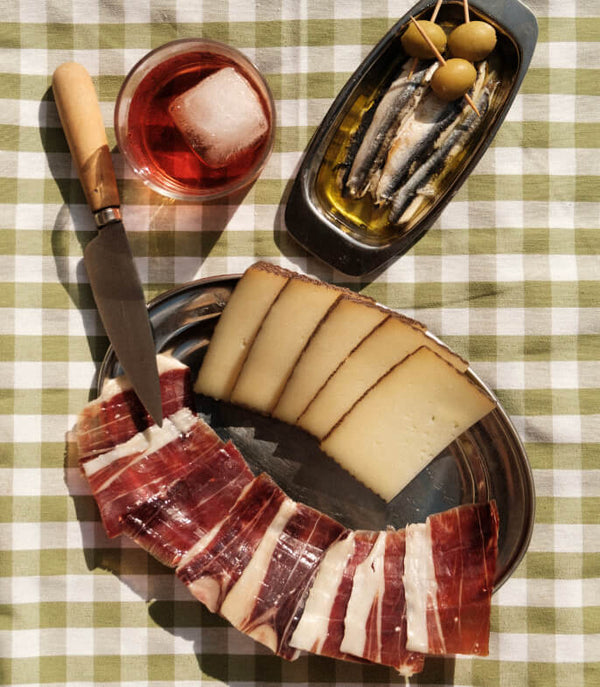
The characteristic color, ranging from intense red to purple, visually distinguishes the meat of the Iberian acorn-fed pig. This peculiar hue is due to the higher concentration of myoglobin in the muscles.
The flavor presents sweet nuances and nutty notes, a direct consequence of the acorn diet. The texture shows an unmistakable smoothness and juiciness thanks to fat infiltration.
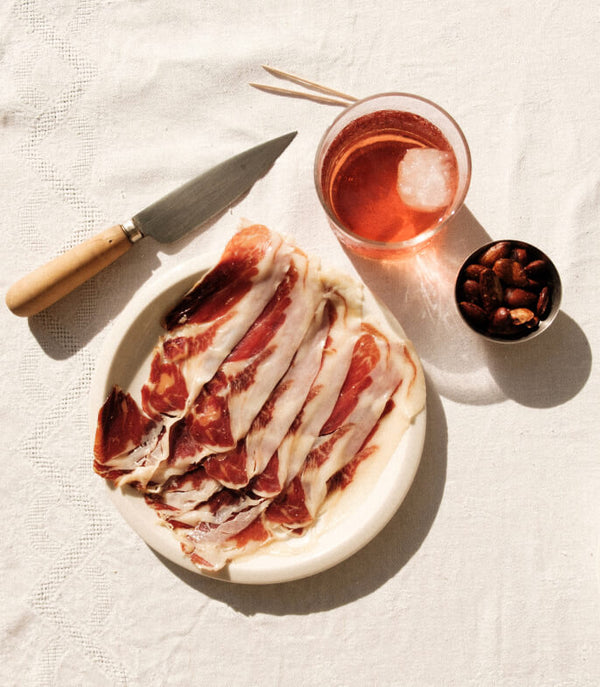
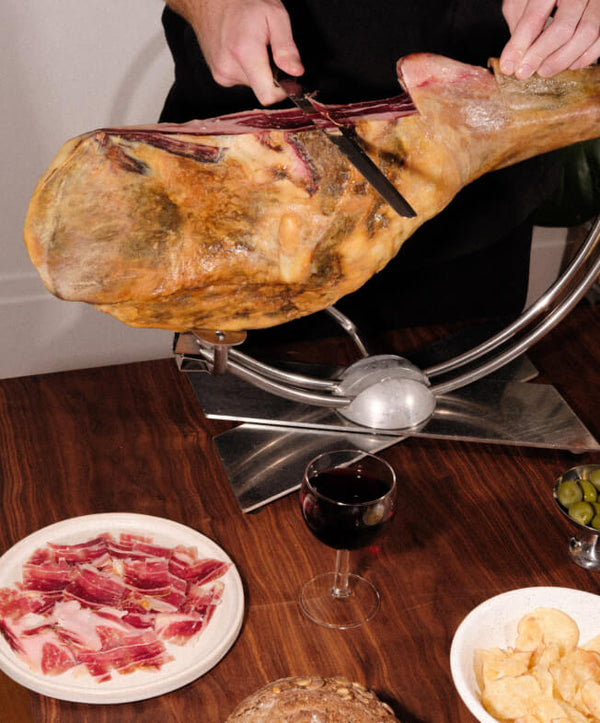
The complex and persistent aroma is one of its most valued hallmarks. A proper cut, preferably by hand, enhances all these sensory qualities.
Nutritional properties and health benefits
Iberian acorn-fed products contain up to 55% oleic acid, similar to that of olive oil. This lipid profile promotes the reduction of LDL cholesterol and the increase of HDL, benefiting cardiovascular health.
Various scientific studies have confirmed the healthy properties of these products when consumed in moderation. Their richness in high biological value proteins and minerals such as iron, zinc, and copper complements their nutritional profile.
The presence of natural antioxidants, derived from the animal's diet, provides additional benefits. These compounds include vitamin E and polyphenols that combat cellular oxidative stress.
Conclusion: an exceptional cultural and gastronomic legacy
The montanera in the Salamanca dehesa represents much more than a production method. It constitutes a unique cultural and ecological heritage that must be preserved for future generations.
100% Iberian acorn-fed products embody the perfect combination of tradition, sustainability, and gastronomic excellence. Every bite of Iberian acorn-fed ham tells the story of a landscape, a culture, and centuries of know-how.
The dehesa and montanera exemplify how traditional practices can be perfectly compatible with environmental conservation and the production of exceptionally high-quality food. This model deserves to be recognized as an example of sustainable development worldwide.


Leave a comment
This site is protected by hCaptcha and the hCaptcha Privacy Policy and Terms of Service apply.