


How to choose your Ibérico Ham or Pork Shoulder: A Practical Guide to never making a mistake again
A Spanish gastronomic treasure
Iberian ham represents one of Spain's most prized gastronomic treasures. However, with the diversity of denominations, origins, and qualities available on the market, choosing the right product can quickly become a real headache.
Confusion often reigns between jamón (ham) and paleta (shoulder), between different pig breeds, feeding types, or even curing times. These parameters significantly influence the flavor, texture, and, of course, the price of the final product.
This guide aims to demystify the complex world of Iberian ham and offers you the keys to making an informed choice. Whether you are a beginner or an experienced enthusiast, you will discover how to select the piece that perfectly matches your expectations and budget.
Understanding the fundamental differences
Jamón vs Paleta: anatomy and characteristics
Jamón ibérico comes from the pig's hind leg. More voluminous (between 7 and 9 kg after curing), it has a characteristic elongated shape and a harmonious proportion of fat and lean meat.
Paleta ibérica, from the front leg, is smaller (between 4 and 6 kg after curing) and usually has a more rounded shape. Its fat content is proportionally higher than that of jamón.
Jamón offers a more balanced flavor and a more homogeneous texture, while paleta develops more intense flavors and a slightly more irregular texture. The choice between the two therefore depends mainly on your taste preferences.
Pig breeds: from pure Iberian to crossbred
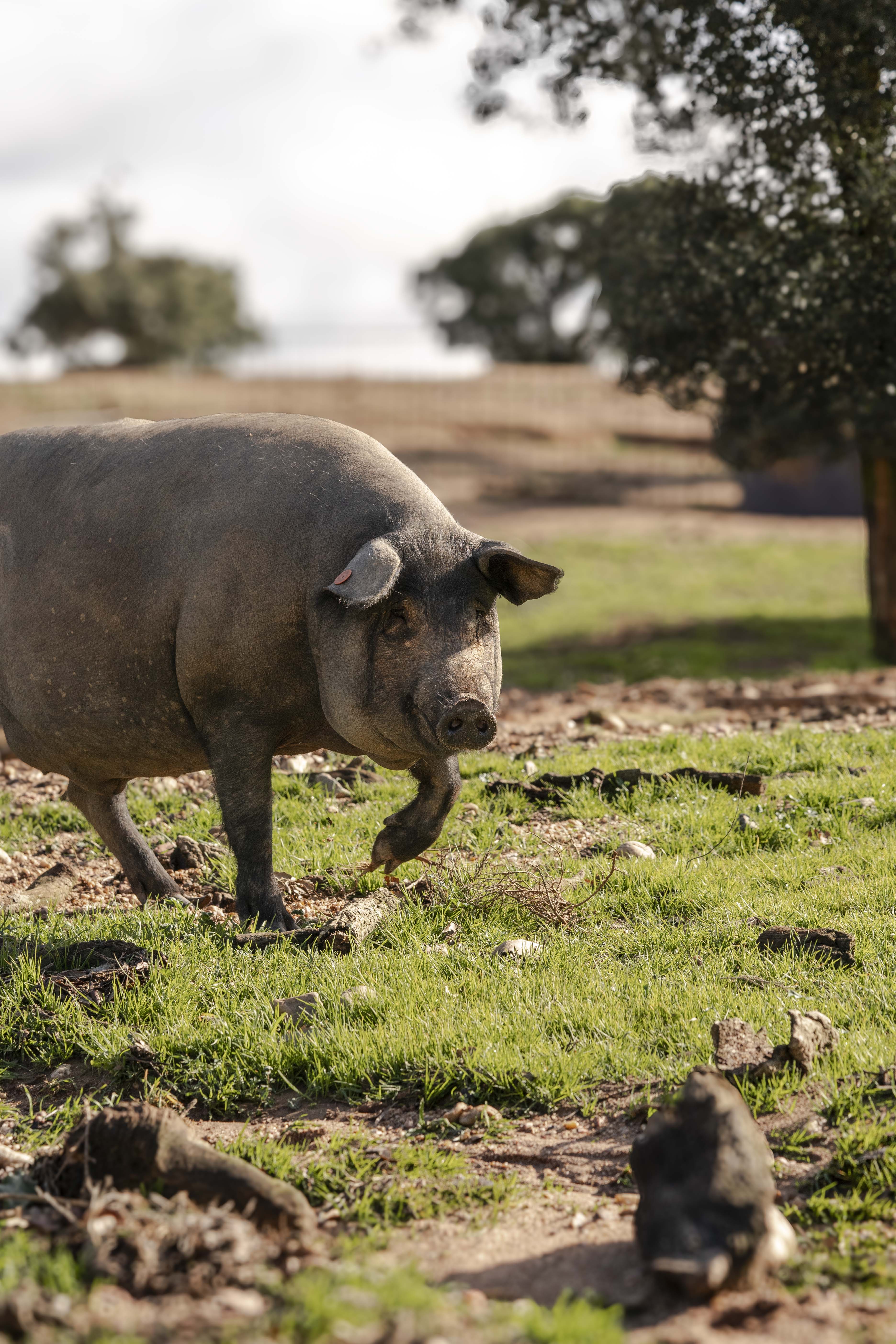
Pure Iberian pigs (100% Iberian) are characterized by their black coat and their natural ability to infiltrate fat into their muscles. This genetic peculiarity gives their meat an incomparable creaminess.
Crossbred pigs (75% or 50% Iberian) result from the crossing of Iberian pigs with pigs of other breeds, mainly Duroc. Their meat has intermediate qualities but is still highly appreciated.
Spanish regulations require that the percentage of Iberian breed be clearly indicated on the label. A 100% Iberian ham will have superior organoleptic characteristics and a correspondingly higher price.
Types of feed: bellota, cebo de campo, and cebo
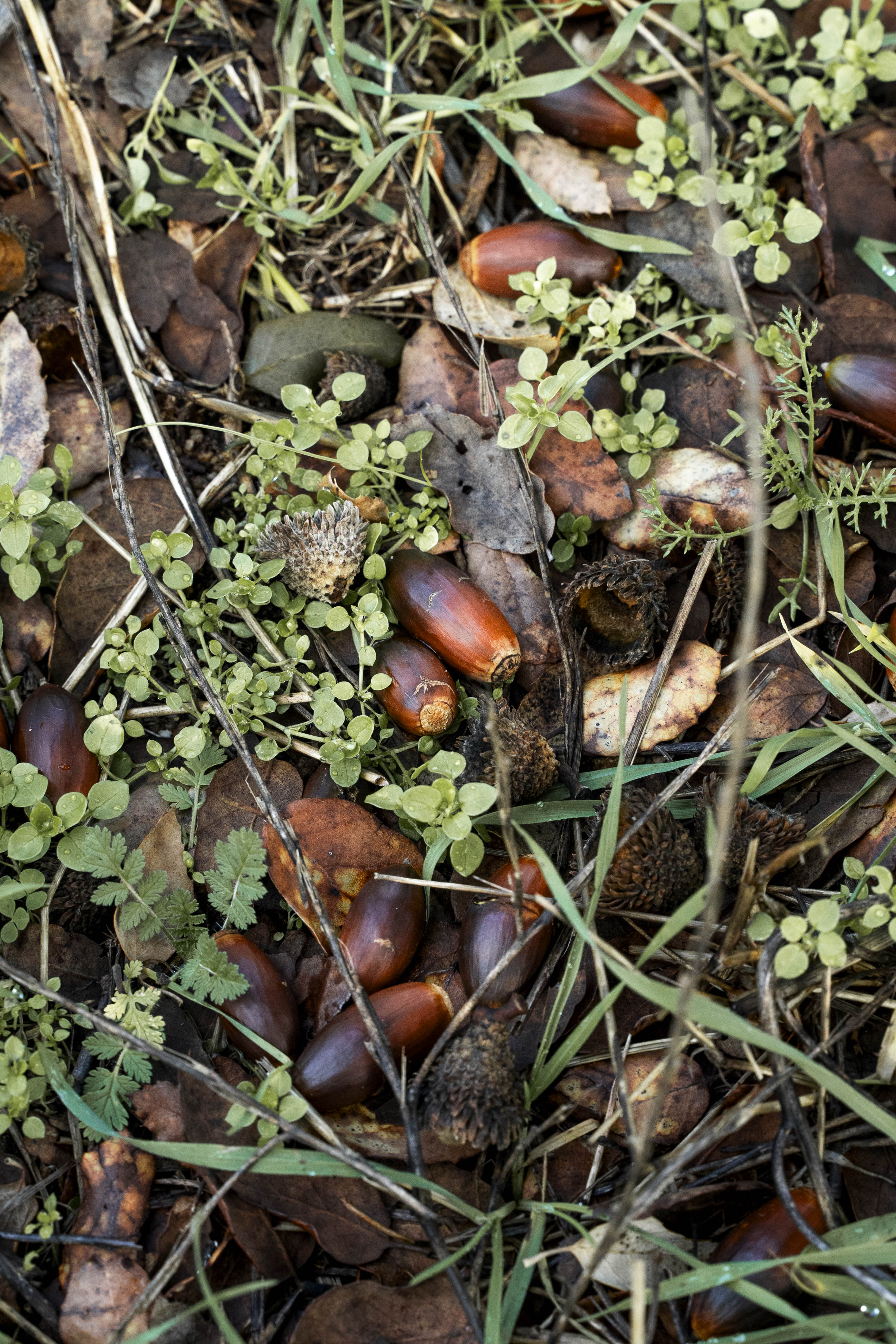
"Bellota" ham comes from pigs that finished their fattening period free-range in the dehesa, feeding exclusively on acorns. This natural diet gives complex aromas and an exceptionally high-quality infiltrated fat.
"Cebo de campo" refers to pigs raised semi-free-range, fed a mixture of cereals and natural foods found in their environment. This rearing method offers a good compromise between quality and price.
"Cebo" ham comes from animals raised in stables and fed cereals and compound feeds. Its flavor is less complex.
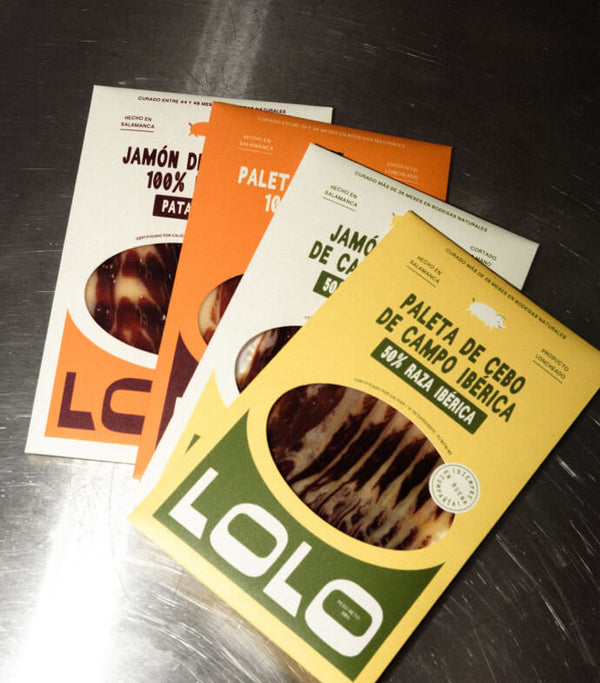
At LOLO, we only work with "bellota" pigs and "cebo de campo" pigs. We do not want to work with animals raised in stables.
Essential selection criteria
Reading and interpreting official labels
The color of the official seal is the first indicator of quality. Black identifies 100% Iberian bellota products, red for crossbred bellota hams, green for cebo de campo, and white for cebo.
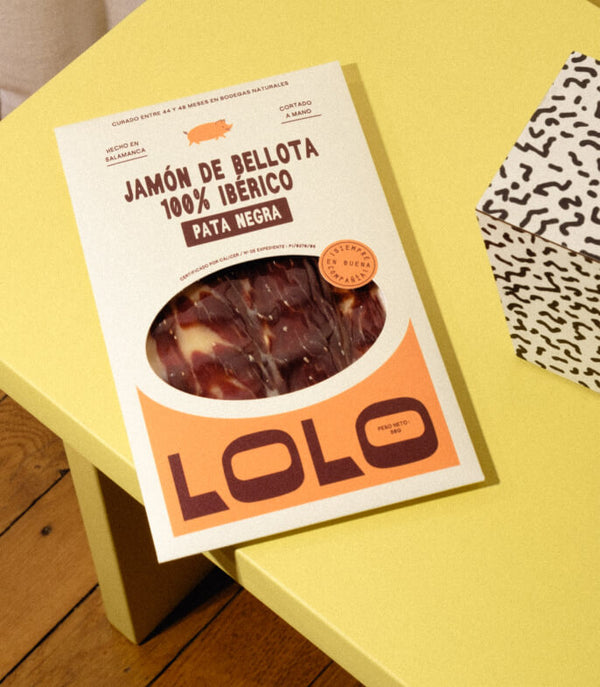
The label must mandatorily mention the percentage of Iberian breed, the type of feed, and the protected designation of origin (PDO) if applicable. Be wary of ambiguous terms like "pata negra," which do not have a precise legal definition.
Also check the minimum curing time. A quality Iberian ham requires at least 24 months of curing, while a shoulder requires a minimum of 18 months. Longer periods (36, 48 months or more) usually indicate superior quality.
Visual examination: external signs of quality
The shape of the ham should be harmonious and elongated, with a thin, black hoof for pure Iberian breeds. Deformed or asymmetrical pieces may indicate a problem during curing.
The appearance of the exterior fat provides valuable information. A yellowish or golden color (never white) indicates prolonged maturation. The fat should be slightly shiny and free of significant irregularities.
The ham's hoof should be thin and black in pure Iberian pigs. Its shape and color are reliable indicators of the breed and, therefore, potentially of the product's intrinsic quality.
Olfactory criteria: detecting revealing aromas
A quality Iberian ham emits complex aromas perceptible even through the outer layer of fat. Notes of nuts, especially hazelnut, are characteristic of bellota hams.
The absence of smell or an overly discreet aroma may indicate insufficient curing. Conversely, overly strong, acidic, or ammoniacal odors indicate a storage or maturation problem.
Do not hesitate to ask the seller to lightly pierce the ham with a bone needle (cala) to release its deep aromas. This traditional practice allows for a more precise evaluation of the product's olfactory qualities.
Practical aspects and budget
Budget and value for money according to use
For an exceptional tasting or a special event, opt for a 100% Iberian bellota ham with at least 36 months of curing. Expect to pay between 400 and 900 euros for a whole piece depending on weight and origin.
For regular quality consumption, a 50% Iberian cebo de campo ham or a 100% Iberian shoulder offers an excellent compromise. The budget then ranges from 200 to 400 euros for a whole piece.
For culinary uses (cooked dishes, tapas), a cebo ham or shoulder is a wise choice. Its more accessible price (80 to 200 euros) allows for more generous use in your preparations.
Whole piece or sliced: advantages and disadvantages
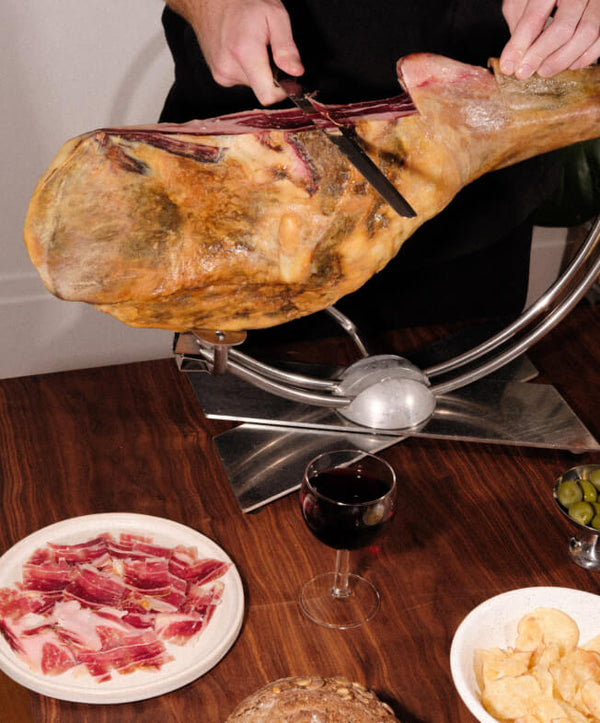
Buying a whole piece guarantees a complete experience and an evolution of flavors as it is cut. However, it requires a significant initial investment and certain slicing skills.
Sliced ham offers practicality and portion control. It is preferable to opt for vacuum-sealed or modified atmosphere packaging in small sizes to best preserve its organoleptic qualities.
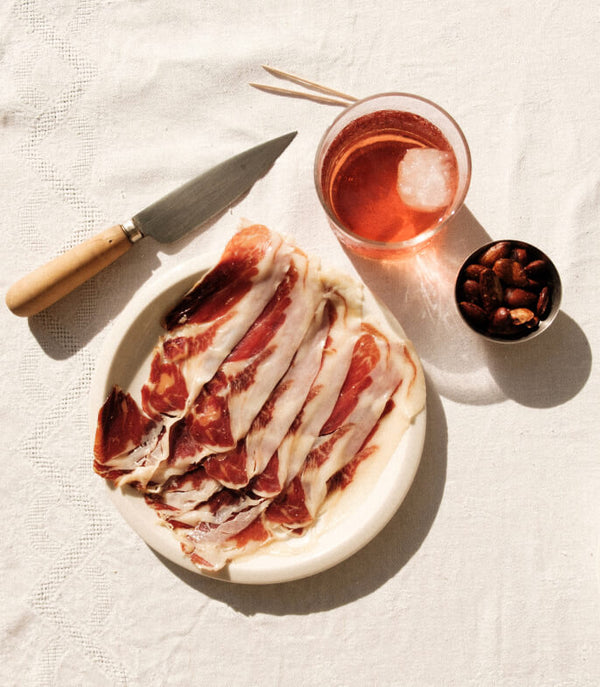
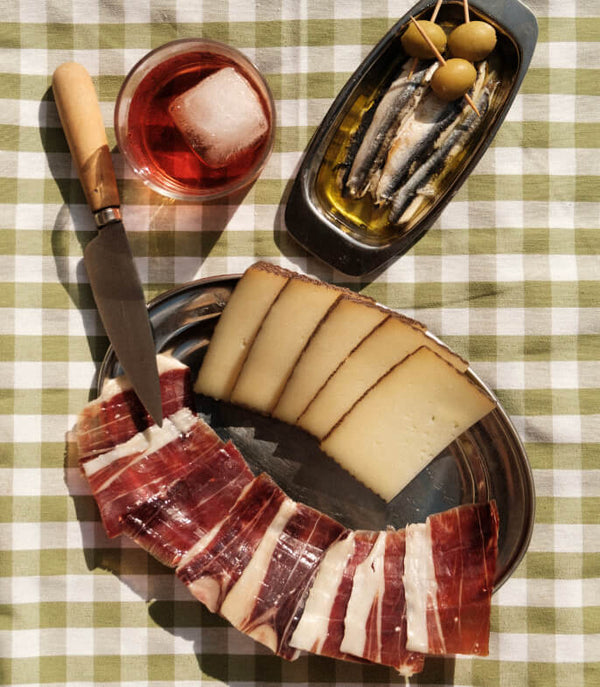
The freshly sliced format from a good delicatessen is often the best compromise. It allows you to enjoy a professional cut while buying exactly the desired amount.
Storage and necessary equipment
For a whole piece, it is recommended to have a suitable and stable ham holder. Swiveling models facilitate slicing. A specific knife with a long, thin, and flexible blade will also be essential.
The ideal storage temperature is between 15 and 18 °C, in a dry and well-ventilated place. Avoid significant temperature variations at all times, as they alter the texture and aromas.
Protect the cutting surface with the ham's fat after each use, and then with plastic wrap or baking paper. For long breaks (more than a week), cover it with a clean cloth.
Expert advice for a personalized choice
For beginners, an Iberian cebo de campo shoulder makes an excellent introduction. Its smaller size and more accessible price allow you to discover the Iberian universe without excessive investment.
Experienced enthusiasts will gravitate towards a 100% Iberian bellota ham.
Conclusion: A thoughtful purchase for optimal pleasure
Choosing an Iberian ham or shoulder is similar to selecting a good wine. Knowledge of objective quality criteria helps guide your choice, but personal preferences remain crucial.
Iberian ham represents a unique gastronomic experience that deserves special attention. An informed choice will guarantee you memorable tasting moments and an increasingly deep appreciation of this treasure of Spanish gastronomy.

Leave a comment
This site is protected by hCaptcha and the hCaptcha Privacy Policy and Terms of Service apply.