


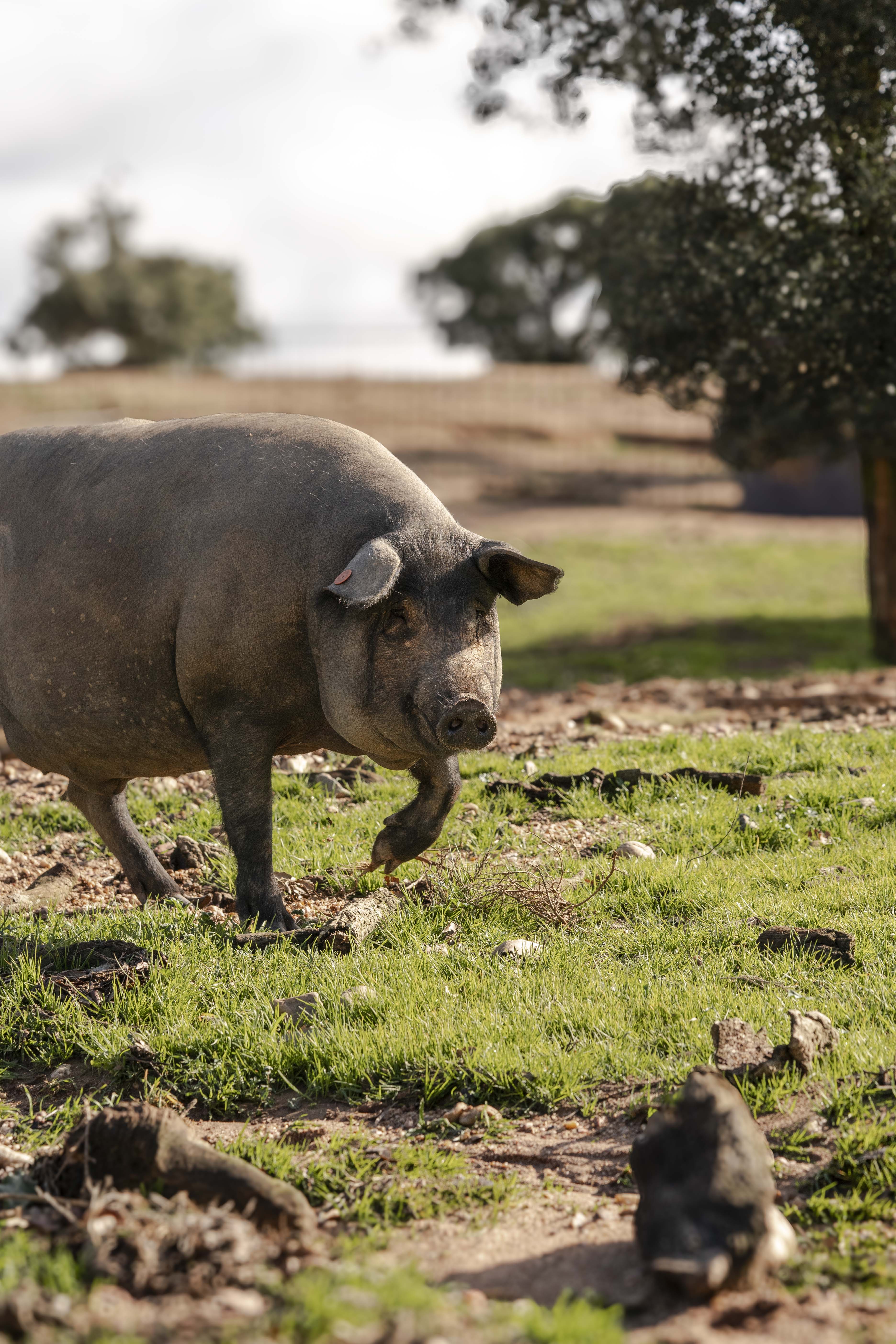
The life of the Iberian pig: two seasons, two unique feeding regimes
The Iberian Pig, a Gastronomic Treasure
The Iberian pig, a gastronomic treasure of the Iberian Peninsula, lives an existence deeply marked by seasonal rhythms. Its life is divided into two fundamentally different and unique periods: the arid summer and the autumnal-winter "montanera" (acorn-feeding season).
These two contrasting phases determine not only the animal's daily life, but also the exceptional quality of its meat. The diet, radically different depending on the season, shapes its organoleptic and nutritional characteristics.
Let's discover how the life cycle of the Iberian pig is articulated around these two periods and how its seasonal feeding profoundly influences the quality of the derived products that make Iberian gastronomy world-famous.
The Summer Season and Adaptation in a Dry Dehesa
The Challenge of Summer Drought
Summer in the Iberian dehesa is characterized by intense heat and prolonged drought. Temperatures can regularly exceed 40 °C, transforming the formerly green landscape into a yellowish expanse.
This season represents a real challenge for the Iberian pig. The natural food supply is considerably reduced with the progressive disappearance of fresh grasses and plants.
Farmers must then implement specific strategies to maintain the well-being of their animals. Water supply becomes a constant concern during this difficult period.
During the summer, the Iberian pig feeds mainly on what the dry dehesa can still offer. It consumes roots, tubers, and bulbs that it unearths with its powerful snout.
Its diet also includes various seeds, small invertebrates, and some wild fruits that manage to grow despite the drought. However, these resources are limited and have low energy value.
Given this natural scarcity, farmers often supplement the diet with cereals (barley, oats, corn). These supplements help maintain a sufficient nutritional intake without compromising the quality of the meat.
The Iberian pig adapts its behavior to cope with summer conditions. It becomes mainly active at dawn and dusk, avoiding the hottest hours of the day.
Unlike conventional pig breeds, the Iberian pig possesses a remarkable ability to regulate its body temperature. Its pigmented skin and black hair protect it from intense sun rays.
During this period, the animal limits its movements and actively seeks the shade of holm oaks and cork oaks. Sometimes it digs small depressions in the ground to cool down in contact with the more humid earth.
The Montanera: Paradise for Iberian Pigs
Feeding, Behavior, and Physiology during the Montanera: A Radical Transformation
The montanera generally begins between October and November, when the first autumn rains green the dehesa and acorns begin to fall from the holm oaks. This change marks a radical transformation in the life of the Iberian pig.
The arrival of this season coincides with the animal's physiological maturity, which is usually between 18 and 24 months at the beginning of the montanera. Its organism is then prepared to efficiently assimilate the nutrients from the acorns.
Farmers carefully check the health and weight of the pigs before the start of this crucial phase. Only animals in perfect condition are selected for the traditional montanera.
During the montanera, the "bellota" (acorn-fed) Iberian pig feeds exclusively on acorns, fruits of the holm oaks and cork oaks that dominate the dehesa. Each animal can consume between 7 and 10 kg of acorns per day.
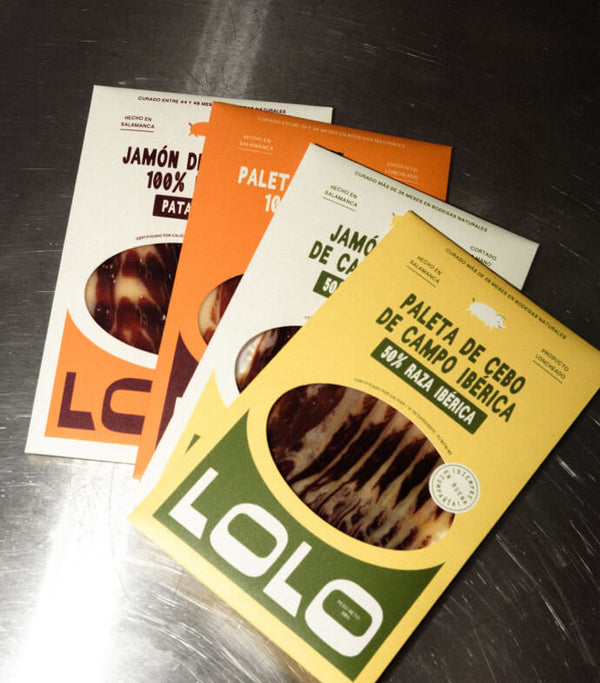
The "cebo de campo" (field-fed) Iberian pig spends part of its time in the dehesa during the montanera, but feeds on cereals and also acorns, although not exclusively.
This natural diet is supplemented with fresh herbs, roots, and mushrooms that proliferate after the autumn rains. These supplements provide essential nutrients and aromatic compounds.
Acorns have a particular composition, rich in unsaturated fatty acids, especially oleic acid. This characteristic explains the exceptional quality of the fat of the bellota Iberian pig.
The Iberian pig covers long distances each day in the dehesa in search of the best acorns. These movements can reach between 10 and 15 km daily, depending on the abundance of fruits.
This intense physical activity contributes to the harmonious muscular development of the animal. It also promotes the infiltration of fat into the muscles, creating the characteristic marbling of its meat.
The animal develops a remarkable ability to select the most mature and sweetest acorns. This intuitive selection contributes to the exceptional quality of its meat.
Impact of Feeding on Product Quality
Biochemical Transformation of Tissues According to Diet, Nutritional Profile, and Implications for Human Health
During the montanera, the Iberian pig can gain between 40 and 60 kg exclusively thanks to its natural diet. This weight gain is accompanied by a profound biochemical transformation of the tissues.
The unsaturated fatty acids contained in acorns are directly integrated into the lipid chains of the muscles and subcutaneous fat. This incorporation fundamentally modifies the structure of the tissues.
In contrast, the summer diet, poorer in lipids and richer in fiber, contributes to the development of denser musculature with less fat infiltration.
Products from pigs fed during the montanera contain up to 55% oleic acid in their fat. This lipid profile, similar to that of olive oil, confers beneficial properties for cardiovascular health.
Scientific studies have shown that moderate consumption of bellota Iberian products can help improve blood lipid profiles, increasing "good cholesterol" (HDL) and reducing "bad" (LDL).
In comparison, products from animals fed mainly with cereals during the summer have a less favorable nutritional profile, with a higher proportion of saturated fatty acids.
Organoleptic Differences Between Products Depending on the Rearing Season
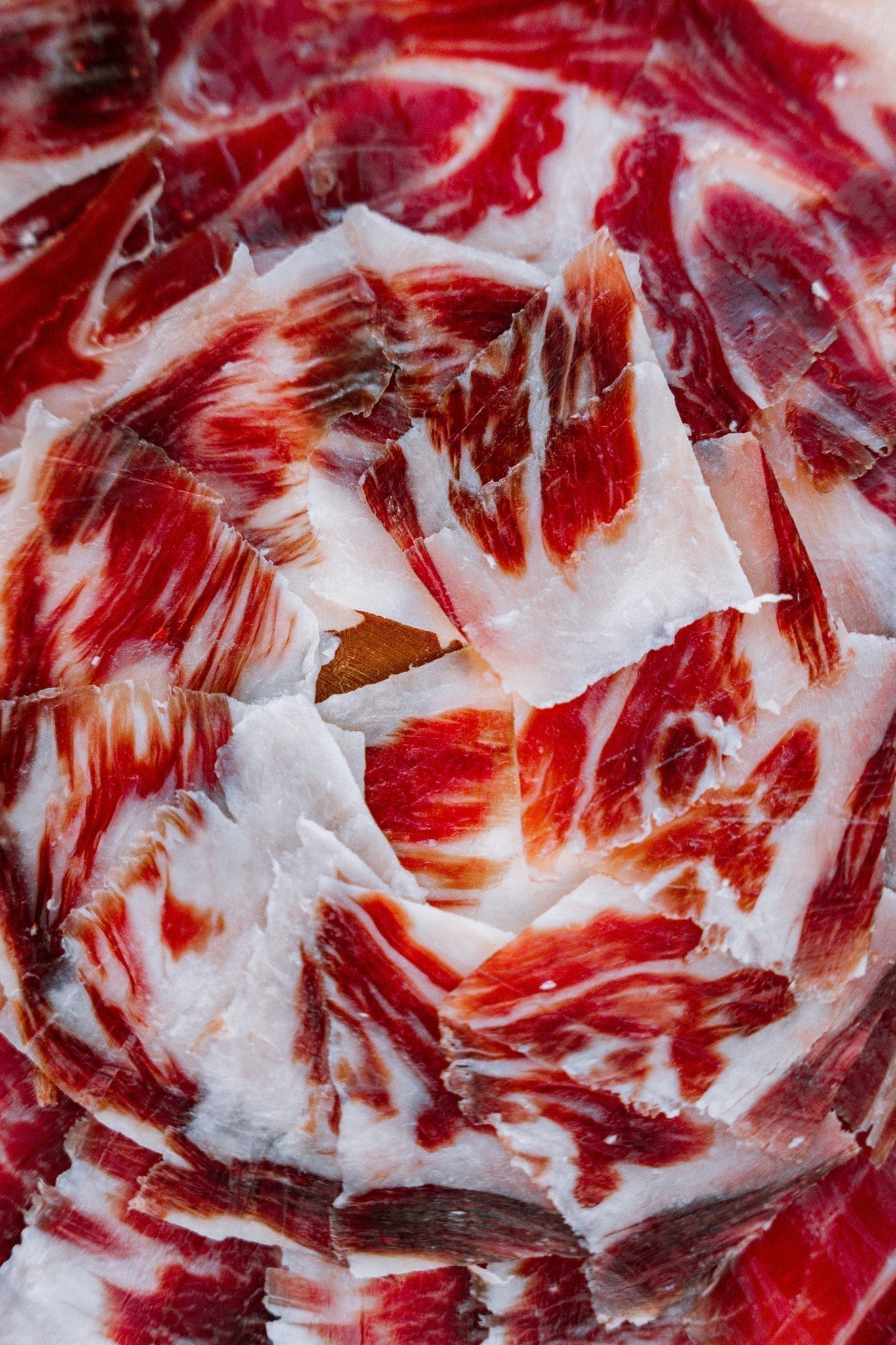
Products from pigs that have enjoyed a complete montanera have a characteristic reddish-purple color. This hue is due to the higher concentration of myoglobin in the muscles.
The texture of products from pigs that experienced the montanera with an exclusive acorn diet is distinguished by its creaminess and melt-in-the-mouth quality. These qualities are directly linked to the optimal infiltration of unsaturated fats into the muscle fibers.
The aromas developed during the maturation of the products also differ according to the animal's diet.
Conclusion: Perfect Symbiosis Between Nature and Tradition
The life of the Iberian pig perfectly illustrates the symbiosis between an animal, its environment, and traditional rearing practices. This harmony is reflected in the exceptional quality of the derived products.
The seasonal contrast between the arid summer and the generous montanera is the key to the excellence of Iberian products. This natural cycle, respected for centuries by farmers, represents a model of sustainable and respectful production.
The seasonal variations in the Iberian pig's diet remind us of the importance of preserving these traditional rearing practices. They not only constitute an invaluable cultural heritage but also an example of high-quality food production in harmony with nature.


Leave a comment
This site is protected by hCaptcha and the hCaptcha Privacy Policy and Terms of Service apply.