


The World of Master Cutters
The Ancestral Art of Ham Slicing
Origins Deeply Rooted in Spanish Tradition
Master slicers, guardians of ancestral knowledge, represent a century-old tradition in Spain. Their history is closely linked to that of Iberian ham, one of the most emblematic products of Spanish gastronomy.
This tradition dates back to meat preservation techniques developed by rural communities on the Iberian Peninsula, when salting and natural drying were essential in the absence of refrigeration.
Over time, ham slicing evolved from a practical necessity to a true art. Techniques were refined to maximize the organoleptic qualities of this delicacy.
The first written references to slicing specialists date back to the 18th century, when some artisans stood out for their precision in slicing hams destined for aristocratic tables.
The profession became structured at the beginning of the 20th century with the first competitions and official recognition of the profession in several regions of Spain.
A Long and Demanding Apprenticeship
Becoming a master slicer requires rigorous training that can last several years. Knowledge is traditionally passed from master to apprentice, in a relationship reminiscent of ancient artisan guilds.
Apprentices begin by observing the master's movements for months before they can handle the knife themselves.
Mastering the different knives is essential: the long, thin ham knife, a shorter one for more complicated areas, and the boning knife.
The apprenticeship includes in-depth knowledge of the ham's anatomy. The slicer must identify each area by touch and adapt their technique according to its texture and density.
Precision of movement is acquired with daily practice. It is estimated that at least 300 hams must be sliced before aspiring to the title of master.
Official Recognition and Prestigious Competitions
Today, the profession is structured around professional associations that safeguard the tradition and promote the craft. The National Association of Ham Slicers plays a central role in this ecosystem.
Official certifications exist to validate different levels of competence. To obtain the master title, one must pass an examination before a professional jury that evaluates technique, speed, and presentation.
The world of slicing also revolves around national and international competitions. The Spanish Ham Slicing Championship is the most prestigious event, bringing together the best professionals in the country.
Evaluation criteria include: precision and delicacy of the slice, artistic presentation, absence of waste, and speed of execution.
Increasing international projection has led to the organization of demonstrations worldwide, turning master slicers into true ambassadors of Spanish gastronomy.
The Daily Life and Techniques of Ham Slicers
A Precise and Methodical Ritual
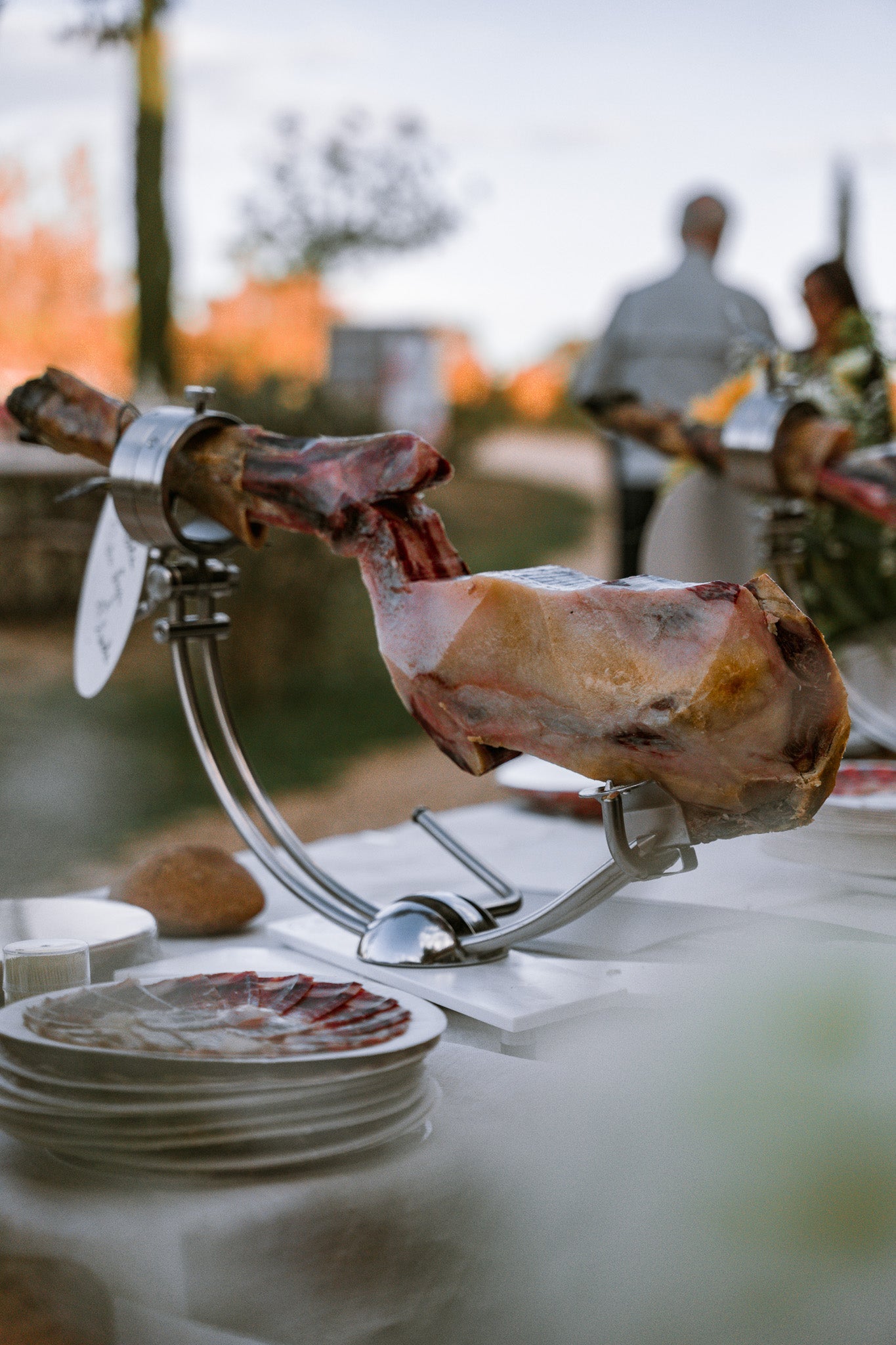
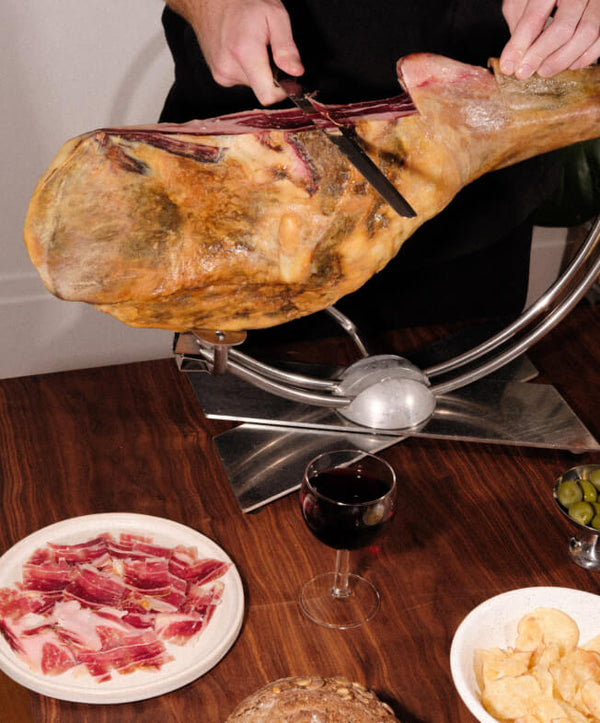
The master slicer's work begins with careful preparation of their workspace. The "jamonero" (ham stand) must be perfectly stable and adapted to the professional's ergonomics.
The choice of knives and their sharpening is crucial. A good slicer meticulously cares for their tools and sharpens them before each session.
Before beginning the slice, a tactile inspection of the ham is performed to evaluate its curing, texture, and areas of fat and muscle.
The slicer follows a precise order: they usually start with the "maza," continue with the "contramaza," and finish with the tip.
The slicing technique alternates broad movements in larger areas with precise gestures in more complex ones.
The Pursuit of Perfection in Every Slice
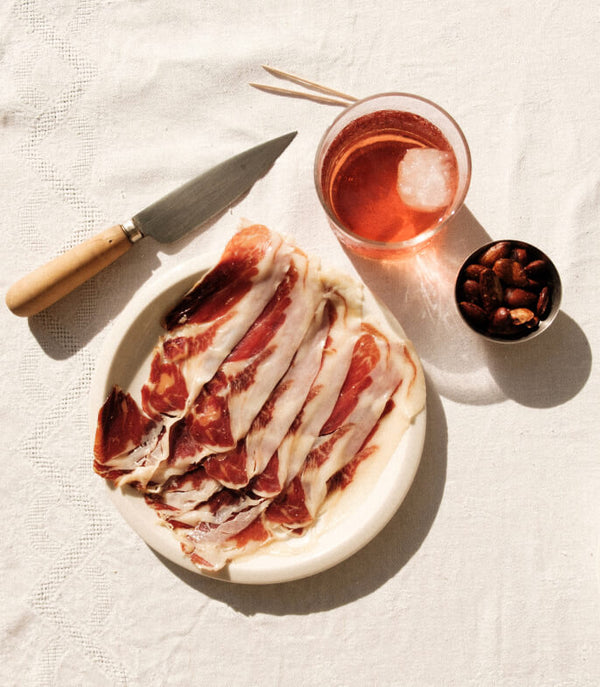
The ultimate goal is to obtain very thin, almost transparent slices, with an ideal thickness between 0.5 and 1 mm.
The perfect slice has an elongated shape that allows appreciation of textures and colors. It should include a harmonious proportion of muscle and infiltrated fat.
The slicing technique aims to preserve the ham's aromas: the slices should not be stacked or excessively handled to prevent oxidation.
The master adapts their work to the ham's temperature: too cold makes a thin slice difficult, too hot softens the fat.
Each ham is unique, and the slicer adapts their technique to its specific characteristics.
Presentation, an Art in Itself
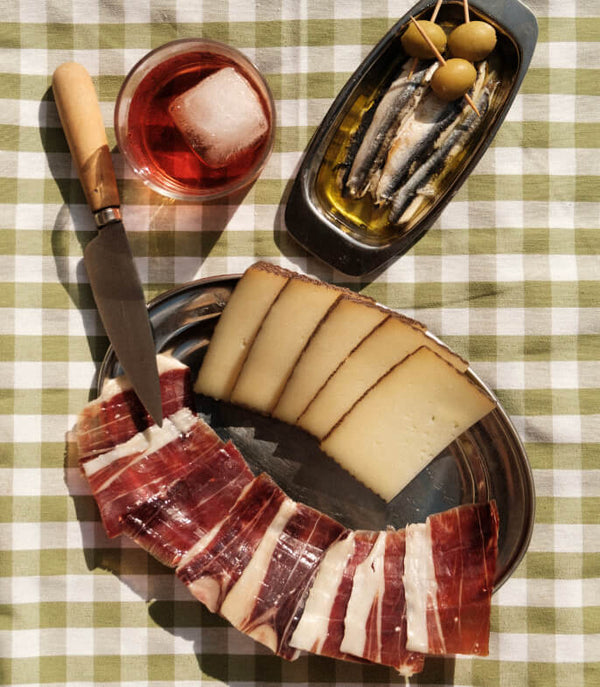
The arrangement of the slices on the plate is the slicer's visual signature. Some opt for circular shapes, others for lines or creative designs.
The best masters develop spectacular presentations, turning slicing into an artistic performance at live events.
The ideal presentation highlights each part of the ham: the "maza" (more tender), the "babilla" (more intense), and the tip (saltier).
The slicer also masters cutting the internal areas, less accessible but highly valued by experts.
A good plate usually follows a tasting progression designed by the master, leading the diner from mild to more powerful flavors.
The Contemporary Evolution of the Craft
Between Tradition and Innovation
The craft is experiencing a global boom thanks to the growing interest in Spanish gastronomy and its excellent products.
Many young professionals seek to balance respect for tradition with a modern outlook. They innovate in presentation and pairings.
Social media has amplified the visibility of the craft. Some masters have thousands of followers who follow their advice and demonstrations.
New schools and specialized training courses are emerging that complement traditional apprenticeship with a master.
The profession also responds to new consumer demands: traceability, animal welfare, sustainability.
A Role as Cultural Ambassadors
Master slicers are now ambassadors of Spanish gastronomic culture. They participate in events and master classes worldwide.
Their expertise goes beyond slicing: they share knowledge about Iberian pig farming and traditional curing.
They help to value designations of origin like Iberian Bellota Ham, explaining to the public why certain hams have high prices.
In gastronomic restaurants, the slicer is present in the dining room, offering an immersive experience between flavor and culture.
Some also act as advisors to producers, helping to improve the quality of hams.
The transmission of traditional knowledge is key. Associations document and preserve ancestral techniques.
Internationalization requires adaptation to different culinary cultures and ways of communicating.
Official recognition of the craft remains uneven across regions. Work is being done to harmonize certifications and facilitate professional mobility.
The balance between artisanal art and commercial demand is a constant challenge. But the craft continues to attract vocations, thus ensuring its continuity as a unique cultural heritage.

Leave a comment
This site is protected by hCaptcha and the hCaptcha Privacy Policy and Terms of Service apply.