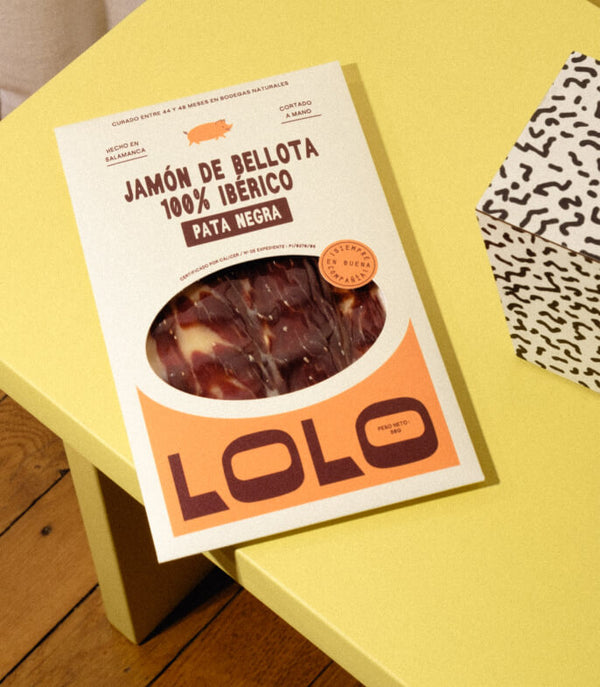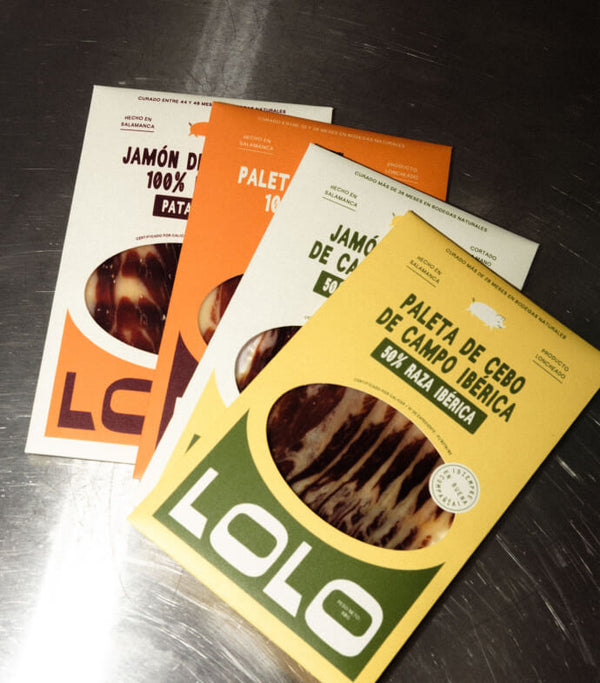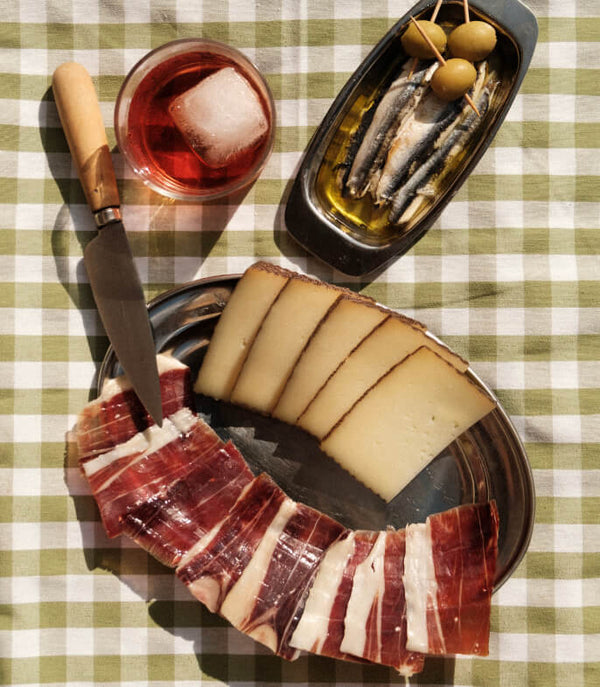


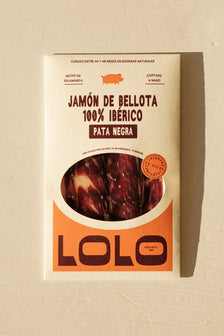

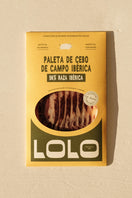
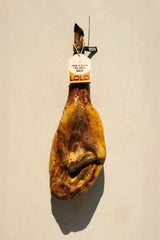
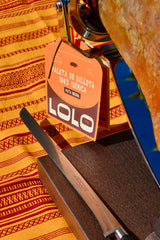
 −10 %
The Tasting Pack
4 packets of 80 g
59,95€66,60€

Cart (1)
Only 65,00€ away from free shipping (from 89,90€)
Anything else?
Summary
Subtotal24,90€
Shipping15,00€
Total39,90€
Shipping 15,00€
or express checkout
Pick your ham or your shoulder. The stand and the knife come in the same pack, so you can carve the first slices at home.


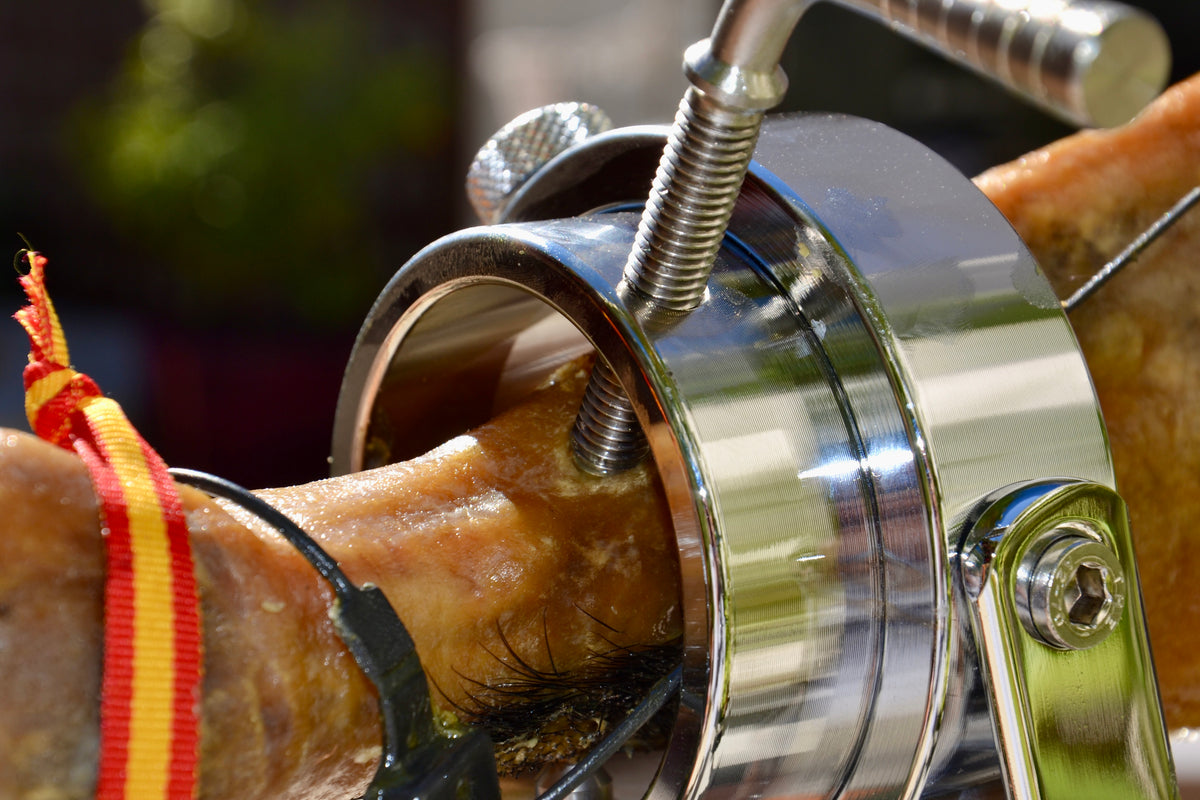
Whole leg pack, ham stand and knife
Pick your ham or your shoulder. The stand and the knife come in the same pack, so you can carve the first slices at home.
In your pack
A whole leg of your choice, the ham stand and the knife.
Order with peace of mindShipped within 48 h · secure payment · gift-ready
Order with peace of mindShipped within 48 h · secure payment · gift-ready
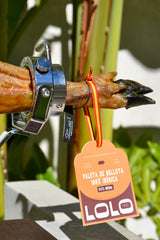
Whole leg pack
✓ Whole leg of your choice✓ Stand and knife included✓ 10% less than separately
✓ Your choice of leg✓ Stand and knife✓ −10%
Choose options
Other format
Want to taste before taking a whole leg?
−10 %The Tasting Pack
4 packets of 80 g
59,95€66,60€
 −10 %
Spanish Aperitivo Pack
4 packets of 80 g
39,25€43,60€
 −10 %
The 100% Bellota Pack
5 packets of 80 g
66,15€73,50€

Who is behind LOLO
Valentin & Pablo, two French brothers
Travelling through the country we love most, two French brothers learned one thing. Here, serious things are meant to be enjoyed.
→ Our storyThe guide
Your pack guide
The ham comes from the hind leg and weighs 7 to 8 kg. The shoulder comes from the front leg, weighs 4 to 5 kg and tastes more intense.
The ham spends longer in the cellar, 44 to 48 months for bellota and over 36 months for cebo de campo. The shoulder cures for 32 to 36 months in bellota and at least 28 months in cebo de campo. For a big table or weeks of ham, go for the ham. For a smaller table, the shoulder is finished sooner. We go into detail in how ham and shoulder differ.
The bellota pig is 100% Iberian. It spends the montanera roaming the dehesa and eating acorns. Only its legs can be called pata negra, and the fat turns translucent as soon as it warms up.
Cebo de campo is 50% Iberian, from an Iberian mother and a Duroc father. It lives outdoors and eats mostly grain. It tastes milder, and some people prefer it for exactly that reason. Each one has its own page, bellota ham and shoulder and cebo de campo ham and shoulder.
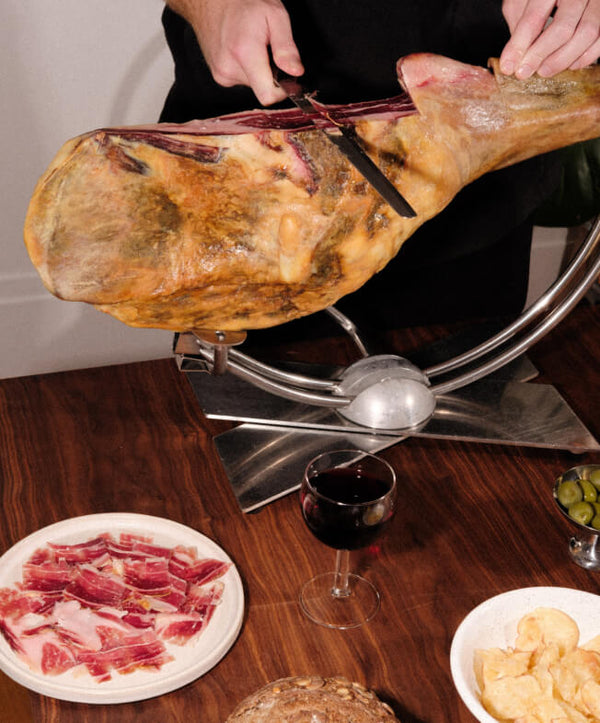
The ham stand has a solid base and steel fittings. Its clamp rotates, so you can carve from any angle without taking the leg off. The V rest has no spikes and leaves no marks on the meat.
The ham knife cuts the thin slices you picture when you open a good leg. Already have one of the two? They are also sold on their own.
Put the leg on the stand. If you'll finish it within a few weeks, start with the widest part, hoof facing up. Only remove the rind where you carve, the rest protects the meat until next time.
Keep the blade almost flat and draw the knife towards you for thin, short slices. On the first evening, don't chase the perfect slice. Between sessions, cover the cut with a piece of the fat you trimmed at the start or a clean cloth, and leave the leg at room temperature.

Where it comes from