



Vacuum-Packed Ham vs. Freshly Sliced
Understanding the different ham preservation methods
The importance of preservation for product quality
Ham is one of the most appreciated cured meats worldwide. Its preservation plays an essential role in maintaining its taste and nutritional qualities.
Two methods stand out in the market today: vacuum-packed and freshly sliced. These techniques directly influence the flavor, texture, and shelf life of the product.
Consumers are increasingly attentive to the quality of their food. The choice between these two types of ham is not trivial and deserves a thorough analysis.
The vacuum-packing process
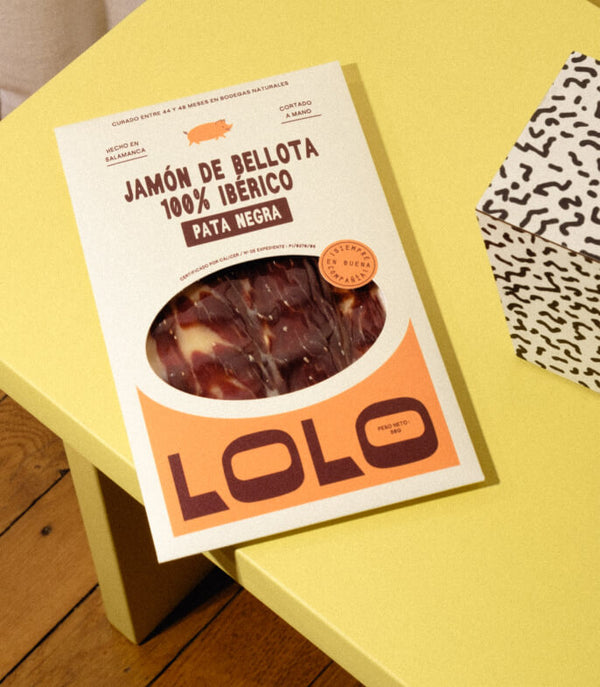
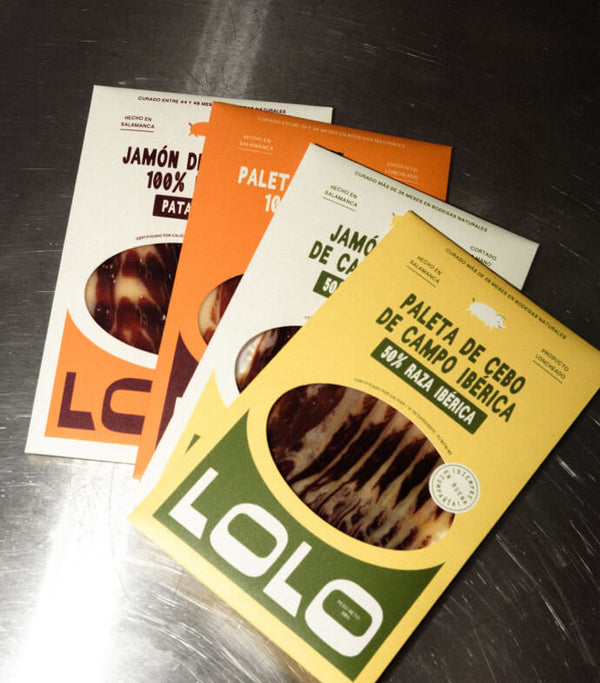
Vacuum-packed ham is sliced and then immediately packaged in an airtight bag. Air is completely removed from the packaging using a special machine.
This technique prevents the development of aerobic bacteria responsible for food spoilage. Thus, it significantly extends the shelf life of the product.
Vacuum packing is generally done in the factory, under strict hygiene conditions. Slices are stacked on top of each other before being sealed in their packaging.
Freshly sliced: a traditional method
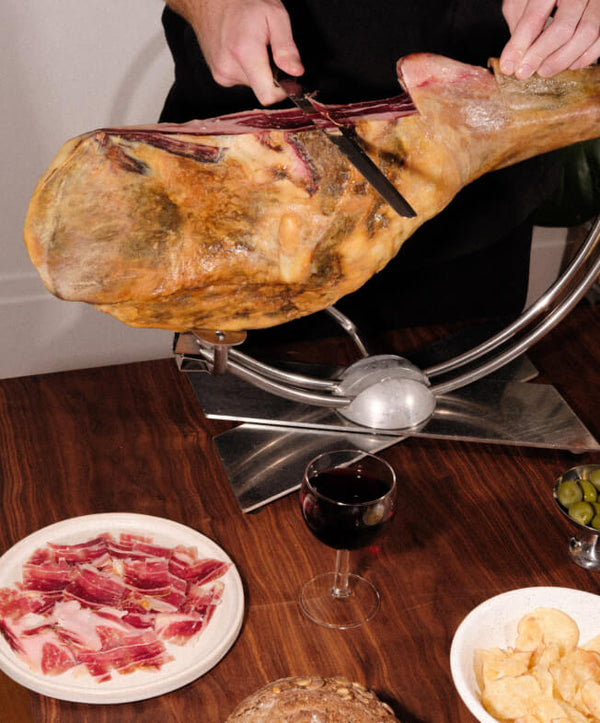
Freshly sliced ham, as its name suggests, is cut in front of the customer at the time of purchase. Freshness is the main argument of this method.
This technique allows the consumer to choose the thickness of the slices according to their preferences. The ham is kept whole until the last moment and the meat is well protected.
Freshly sliced ham is usually prepared by a master carver, a qualified butcher or delicatessen owner. It represents an artisanal know-how that endures.
Advantages and disadvantages of each method
Advantages of vacuum-packed ham
Convenience is the main advantage of vacuum-packed ham. Ready to use, it offers considerable time savings for busy consumers.
Its long shelf life is also a strong argument. According to manufacturers, vacuum-packed ham can be stored for up to 12 months.
Vacuum packing also helps maintain the nutritional qualities of ham. Vitamins and minerals are preserved thanks to the absence of oxygen.
In terms of price, vacuum-packed ham is usually more economical. Industrial production and the absence of personalized service explain this cost difference.
Strengths of freshly sliced ham
Freshly sliced ham appeals with its incomparable freshness. Having recent contact with air, the aromas are more pronounced and the texture more pleasant.
The visual aspect also favors freshly sliced ham. Its color is more vibrant and its presentation more attractive.
The relationship with the vendor or master carver is another advantage. Advice and the possibility to taste before buying are highly valued by consumers.
Freshly sliced ham also allows for more responsible consumption. It is possible to buy exactly the quantity needed.
Limitations and restrictions of both options
Vacuum-packed ham has certain drawbacks. The accumulation of water in the packaging can alter the texture and flavor of the product.
In addition, slices tend to stick together, sometimes making them difficult to separate. This phenomenon can lead to a deterioration in presentation.
As for freshly sliced ham, its main weakness is its short shelf life. It must be consumed within 2 or 3 days of purchase.
Its higher price can also be a deterrent for some consumers. Personalized service and artisanal know-how come at a significant cost.
Impact on quality and consumer choice
Taste and textural differences
Taste tests reveal significant differences between the two types of ham. Freshly sliced ham generally has a more pronounced flavor and a firmer texture.
Vacuum-packed ham can sometimes develop a slight acidic taste due to lactic fermentation that occurs in the absence of oxygen. This phenomenon is normal and poses no danger.
Water content is also different. Vacuum-packed ham tends to appear wetter, while freshly sliced ham may appear slightly drier on the surface.
Color is another distinguishing criterion. Freshly sliced ham retains a vibrant pink hue, while vacuum-packed ham may acquire a duller coloration over time.
Health and hygiene considerations
In terms of hygiene, vacuum-packed ham offers better protection against external contamination. The airtight packaging acts as an effective barrier against bacteria.
Freshly sliced ham is more vulnerable to cross-contamination. The hygiene of the equipment and the rigor of the delicatessen owner are therefore essential.
The cold chain must be respected in both cases. A break can lead to the proliferation of pathogenic bacteria, even in a vacuum package.
Producers of vacuum-packed ham must comply with strict industrial standards, ensuring a constant and controlled level of hygiene.
How to make the right choice according to your needs
To choose between these two options, several factors should be considered: frequency of consumption, taste preferences, budget, and lifestyle.
People who prioritize taste quality and have easy access to a good delicatessen will preferably opt for freshly sliced ham.
Conversely, those looking for convenience and long shelf life will choose vacuum-packed ham, particularly suitable for large families or people with little time to shop.
It is also possible to alternate between the two methods depending on the occasion: freshly sliced ham for a special meal and vacuum-packed ham for everyday consumption.
In conclusion, each method presents specific advantages and disadvantages. The ideal choice primarily depends on the consumer's priorities, whether they prioritize freshness, convenience, or economic aspect.




Leave a comment
This site is protected by hCaptcha and the hCaptcha Privacy Policy and Terms of Service apply.