


How acorn-fed Iberico ham is made, step by step
Contents
Ask how Iberico ham is made, or how any jamón is made, and you usually get a story about cellars. The real answer starts with salt. For our pieces, two to four years pass between the day a leg goes into the salt and the day it leaves the cellar. What follows takes those years in order, without jargon, and says what Spanish law actually governs, which is a good deal less than people assume.
The essentials
Spanish law recognises only four stages, which are salting, washing, post-salting and curing. Neither the drying loft nor the cellar is one of them. They are trade words, and the law does not use them.
- The clock starts on the day the piece enters the salt, and that week is marked on the piece.
- An Iberico ham of 7 kg or more needs at least 730 days, a lighter one 600 and a shoulder 365.
- “One day per kilo” is binding in only one of the four designations of origin. Elsewhere it is a rule of thumb.
- No product specification sets a temperature or a humidity for the drying loft or the cellar. The maker decides.
- The flavour is built during curing, as enzymes already in the meat slowly break down proteins and fats.
Where this information comes from
The rules quoted here come from public texts, the Spanish quality standard for Iberico ham and the four designation-of-origin specifications. The standard and two of those specifications are listed at the foot of the page, along with the published work the biology passages come from. We select our pieces on site, in Salamanca, and we know the person who cures them. The section on that workshop says what we know of the work, and it stops where what we don't know begins. Figures for the yield of a piece, its weight loss or the ideal cellar temperature circulate everywhere and are badly sourced, so we say below where they come from. And we sell Iberico ham, which you should know before reading what follows.
The Iberico ham process in four stages
Spanish law divides the process into four stages, and it names them. Article 11 of the quality standard, Royal Decree 4/2014, lists salazón, lavado, post-salado and curado-maduración. In English that gives salting, washing, post-salting and curing.
What is striking is what is missing. Secadero and bodega, the drying loft and the cellar, are the two words everyone uses to tell the story of ham, and they do not appear in the legal list. Both are folded into the fourth stage. They are trade words, entirely real and entirely useful, but the standard does not treat them as categories.
Washing, by contrast, is a stage in its own right, and almost nobody mentions it. It makes sense once you think about it. After the salt, whatever is still stuck to the surface has to come off, or the piece goes on salting in the wrong place.
| Stage | What happens | How long |
|---|---|---|
| Salting (salazón) | The pieces are stacked and covered in salt, in the cold. The salt draws water outward. | A few days to three weeks, by weight |
| Washing (lavado) | The surface salt is rinsed off with warm water, then the piece is shaped. | A few hours |
| Post-salting (post-salado) | In a cold room, the salt finishes crossing the muscle and the surface moisture leaves. | One to three months |
| Curing (curado-maduración) | Drying loft, then cellar. The piece dries, the fat melts between the fibres and the aromas build up. | One to four years, depending on the piece |
The durations in this table are trade orders of magnitude. Only the total time is set by law, and we come to that further down.
Serrano ham goes through much the same sequence of salt, rest and drying, usually with white pigs. Its standard is a different one and asks for a much shorter minimum cure, as we show in serrano vs Iberico ham.
Salt, and how long it takes to cross
Salting does not season the ham, it dries it out. That is what makes it possible to keep the ham without refrigeration, and it is why the stage is short. A few days are enough to set in motion something that will then take months to spread through the piece.
Many workshops reuse the salt from previous batches. Call it thrift if you like, but salt that has already worked does not behave quite like fresh salt, and the difference shows in the piece.
Then comes post-salting. Nothing visible happens for weeks, and yet this is the decisive moment. A badly post-salted piece ends up salty on the outside and flat in the middle, and no amount of cellar time will fix that.
One day per kilo, the rule that isn't one
It is the sentence you read everywhere about salting, so we went to the texts. Of the four designations of origin for Iberico ham, only one makes it binding. Los Pedroches writes that salting time “must be between 0.7 and 1.2 days per kg of weight”.
Jabugo and Dehesa de Extremadura both use the phrase “as a guide”. Guijuelo does not mention it, and neither does the national standard. As a rule of thumb it is a good one, as old as the trade. Presented as a rule, though, it is wrong three times out of four. In practice the weight of the leg, its fat cover and the season all shift the timing, and the salter decides.
The curing process, drying loft then cellar
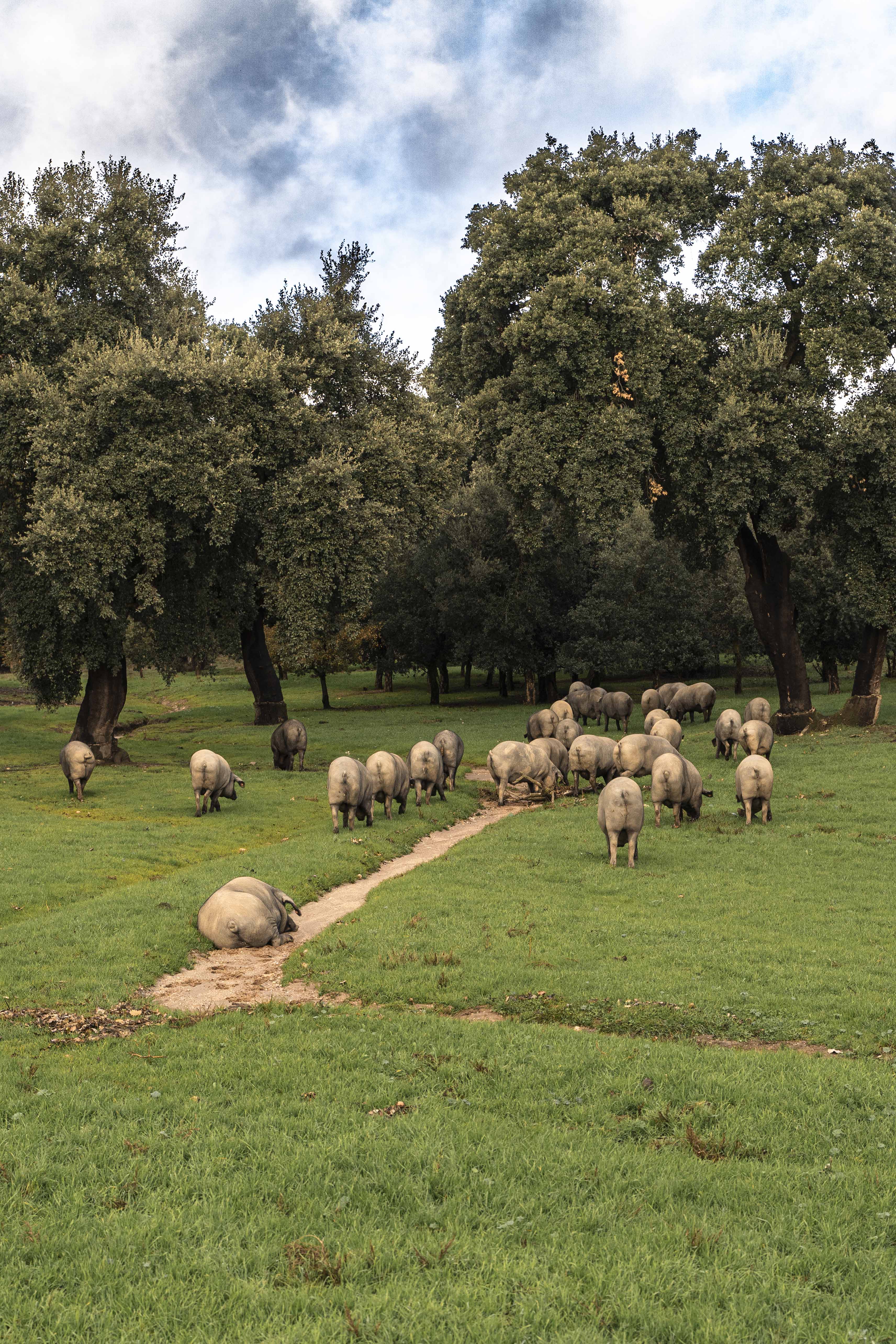
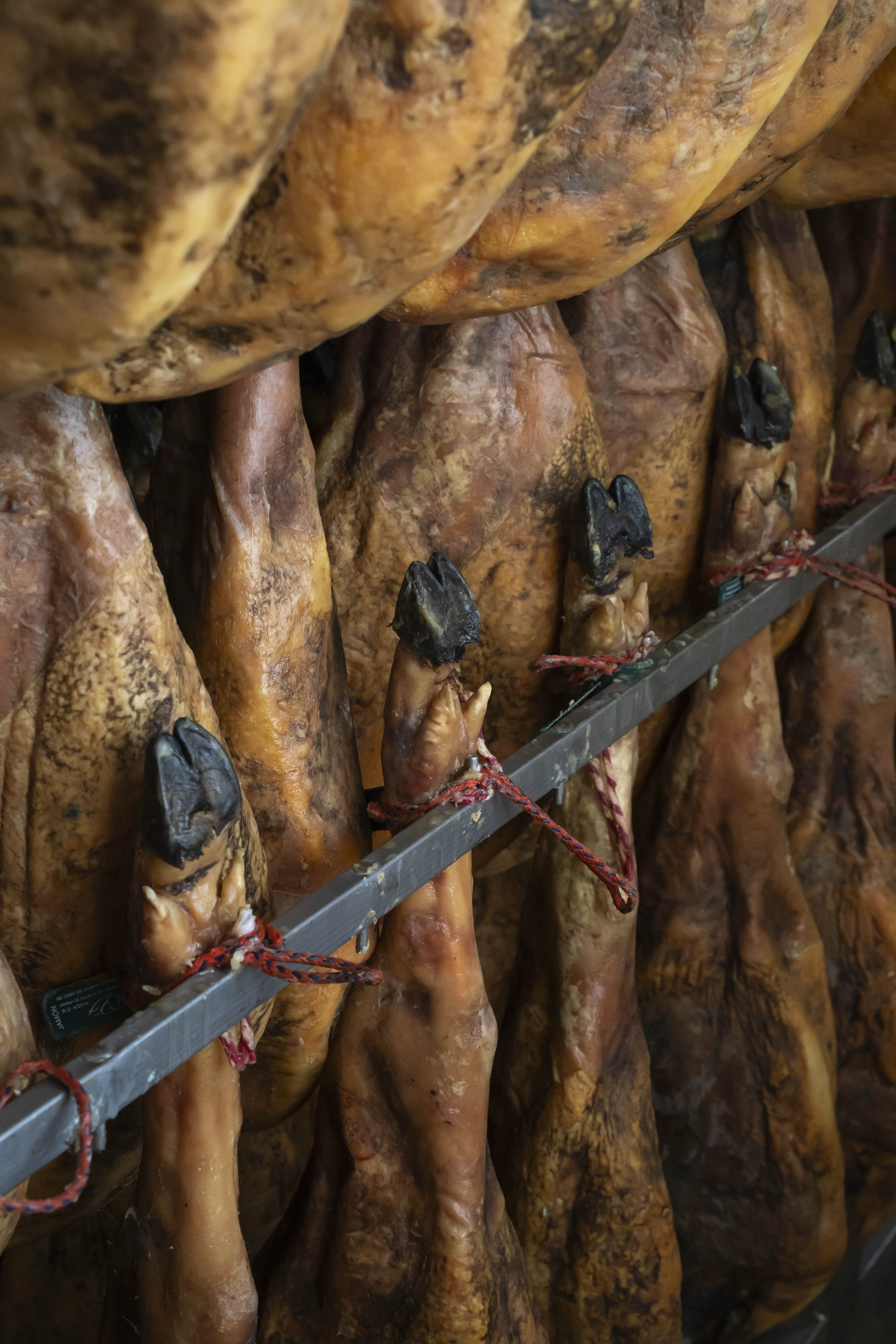
After the cold room, the pieces warm up and drying begins. This is the long part, the one people mean when they ask how jamón is cured. Something visible happens early on. The covering fat softens and slowly works its way inward, between the muscle fibres, and the trade calls it sudado, the sweating. That infiltrated fat gives the melting texture, and it is why a lean pig makes a poor ham. It is all decided long before the salt, by what Iberico pigs eat.
It is also here that the law falls silent. None of the four specifications sets a temperature or a humidity for the drying loft. Two impose a minimum duration, and the other two say nothing about it. The most talked-about stage of the trade is the one the law leaves alone.
Traditionally the drying is regulated by hand, opening and closing windows to follow the outside air. Many workshops have since added mechanical control of temperature and humidity, which gives mixed lofts. The natural ventilation stays and any drift gets corrected. It is less picturesque and much more consistent from one year to the next.
When the piece moves down to the cellar it no longer dries much. It transforms. The enzymes already present in the pig's muscle work slowly, in the cool, for months. They cut proteins into ever smaller pieces, and those pieces carry the long, mouth-watering background taste that nobody quite knows how to name.
Other enzymes go to work on the fats at the same time. Oddly enough, the aroma comes less from the thick covering fat than from the fine fats of the cell membranes. They are very fragile in air, and as they break down they release the compounds we smell.
Small white dots sometimes show up on the slice during this stage, crystals that are normal in small numbers after a long cure and that we explain in our article on white spots on ham.
One common-sense note to close the stage. A cellar is not air-conditioned to the degree. In a real acorn-fed process the temperature follows the seasons, and the ham lives at the rhythm of the year. That is deliberate.
What the standard actually requires
Reduced to essentials, Spanish law governs three things and leaves everything else open. It is worth knowing when you read a label.
| Subject | What the standard imposes | What it leaves open |
|---|---|---|
| Time | 730 days for a ham of 7 kg or more, 600 days below that and 365 days for a shoulder, counted from the day it enters the salt | How that time is split between the stages |
| Weight | 5.75 kg minimum for a finished 100% Iberico ham | How much weight the piece loses on the way |
| Traceability | A numbered, tamper-proof seal fitted at the abattoir, with a colour for each category | Nothing |
| Conditions | Nothing | Temperature, humidity, ventilation and the length of each stage |
Compliance with the durations is checked against the workshop's records. On the piece itself, the only physical marker of time is the week it entered the salt, marked with the year.
There are two figures we will not give you. The first is how much weight a piece loses while it is being made. The “30 to 35%” you read everywhere comes from no standard, and a recent scientific review of dry-cured ham, listed in the sources, gives 32 to 34%. The second is the share of a piece you can actually eat. No public body publishes it, and the percentages in circulation all come from online shops.
At the workshop that cures our pieces
Our pieces are cured in the province of Salamanca, with no designation of origin. That has a concrete consequence. Only the national standard applies, which sets the durations and the traceability and leaves the settings to whoever does the curing.
Salting there follows the day-per-kilo rule of thumb and departs from it when a piece calls for it. We work with someone whose job is precisely to know when, and we will not pretend to know better than he does.
The drying loft is a mixed one, with natural ventilation and control of temperature and humidity. We would rather say so than tell you about windows opened by hand, which would make a prettier sentence. The piece then finishes in the cellar, where it spends its last years before being graded.
In total, our acorn-fed hams come out at 44 to 48 months and our acorn-fed shoulders at 32 to 36. The legal minimums are 730 and 365 days, and we are well beyond them. That time is what makes a whole piece expensive, and we break the prices down in Iberico ham price.
A whole piece
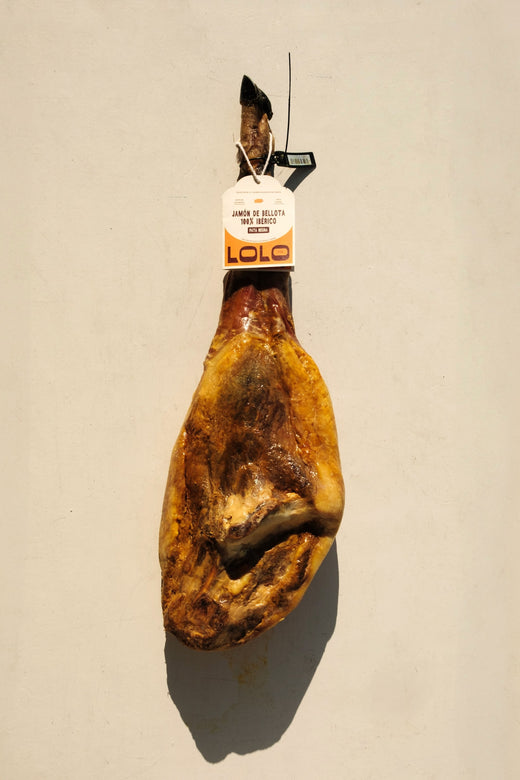
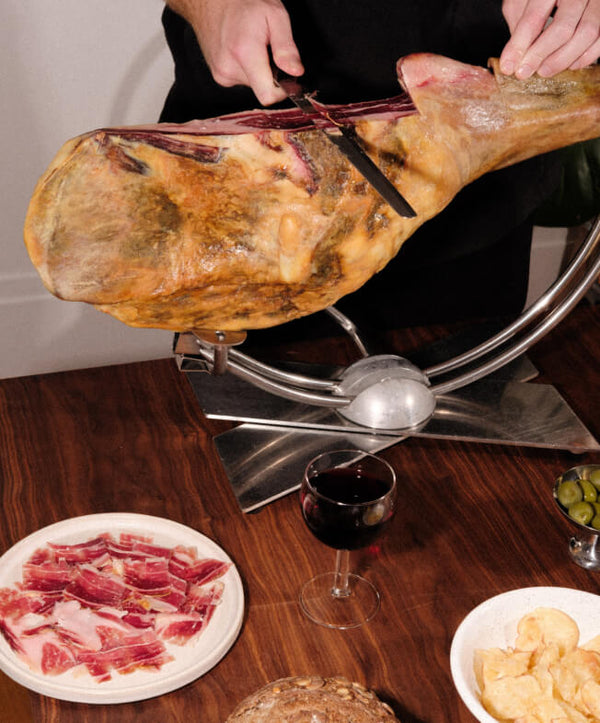
Acorn-fed Pata Negra ham, €649.90
Forty-four to forty-eight months from the day it enters the salt to the day it leaves the cellar. Seven to eight kilos, black seal, individually numbered.
649,90€
Shipped from Spain · free shipping over €89.90
Conclusion
Conclusion
Time, cold, and then patience
So how is jamón ibérico made? You take the water out, let the salt spread, and wait for the enzymes to make the flavour. Everything else is a matter of settings, and that is exactly what the law leaves unsaid. It fixes a clock and a weight. A workshop's seriousness is judged elsewhere.
- Look at the seal. It is numbered and fitted at the abattoir, and its colour gives the category. It is the only physical marker of traceability.
- Ask about the time, not the method. A workshop that announces forty-eight months has tied up its cash for four years, which tells you more than any description of a drying loft.
- Be wary of round numbers. A weight loss, a yield or a cellar temperature given without a source has usually come from another website.
Taste it yourself
Products mentioned in this article
Shipped within 48 h from Salamanca · Free shipping from €89.90
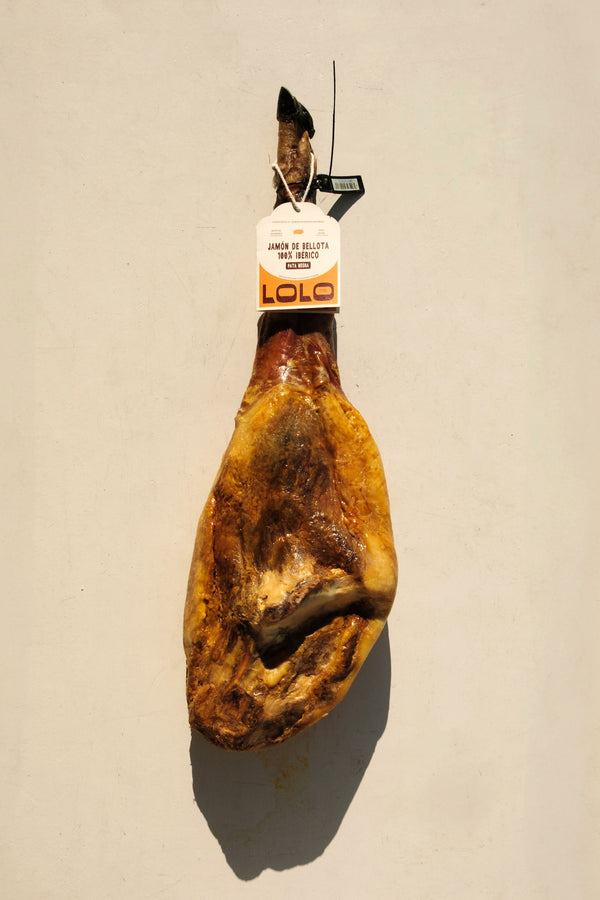
Whole 7 to 8 kg ham, cured 44 to 48 months.
649,90€
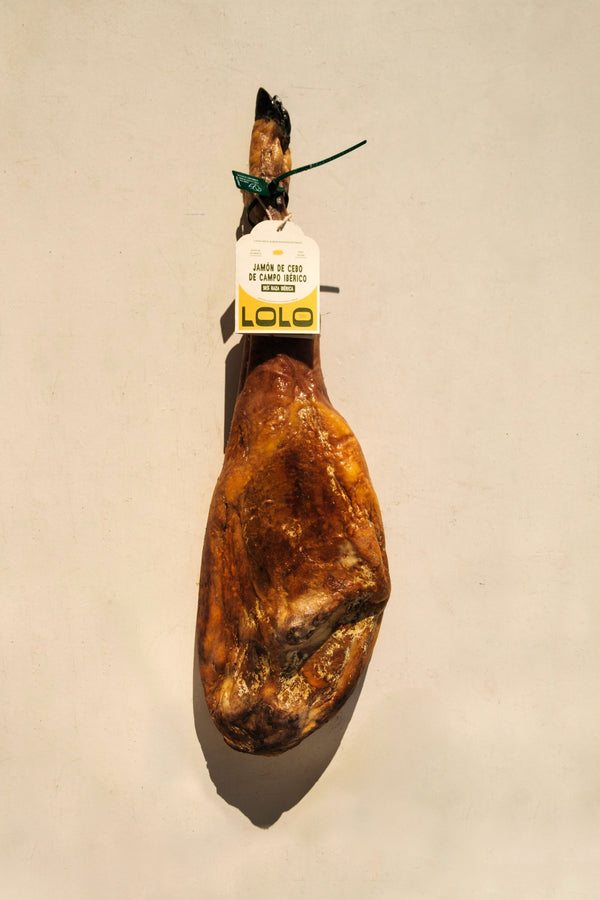
Bone-in 7 to 8 kg ham, cured over 36 months.
349,90€
5,0 · 8 reviews
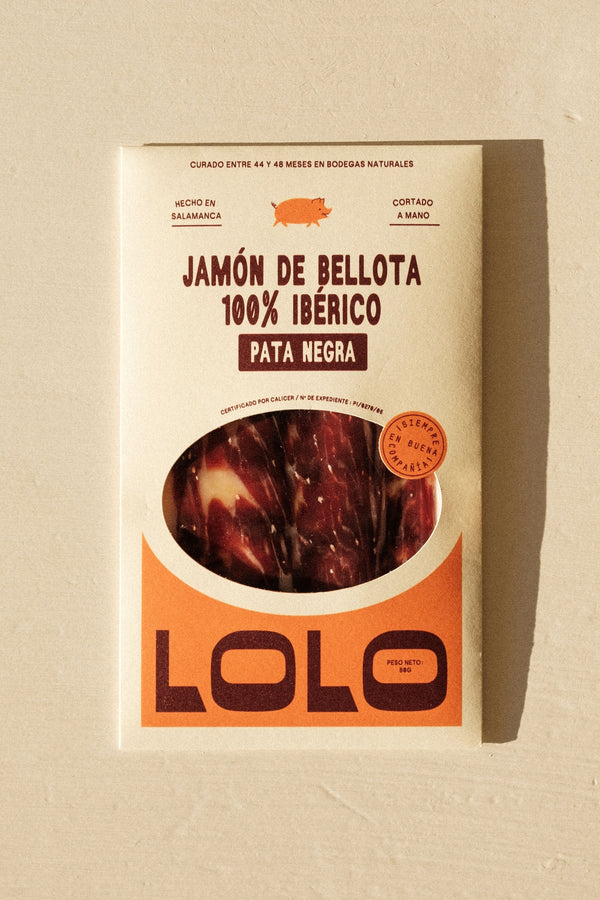
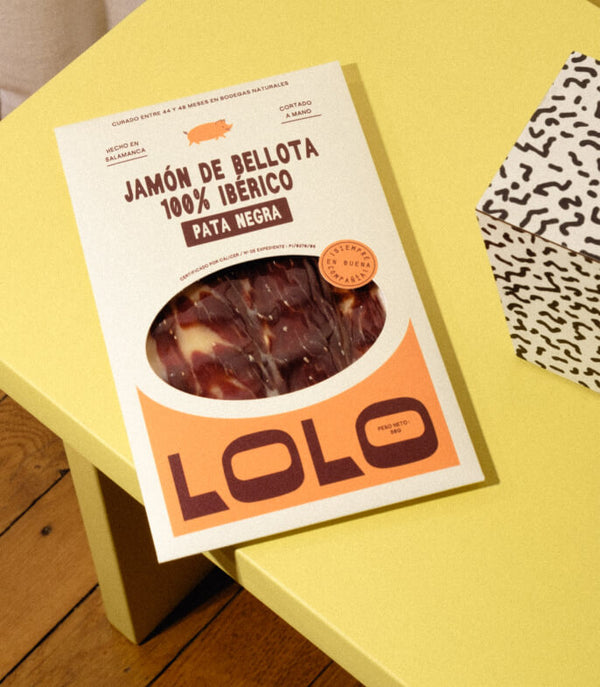
Cured 44 to 48 months, hand carved, 80 g vacuum pack.
24,90€
Frequently asked questions
How long is Iberico ham cured?
At least 730 days for a ham of 7 kg or more, 600 days below that and 365 days for a shoulder, counted from the day it enters the salt. That is the floor Spanish law sets. Our acorn-fed hams come out at 44 to 48 months.
Does salting really take one day per kilo?
It is a good rule of thumb, and a binding rule in only one designation of origin. Los Pedroches makes a ratio compulsory, Jabugo and Dehesa de Extremadura give it as a guide, and Guijuelo does not mention it. A heavier or fattier leg, or a warmer season, changes the timing.
What is the difference between the drying loft and the cellar?
In the loft the piece loses water and its fat starts melting between the fibres. In the cellar it hardly dries any more. It develops its aromas, more slowly and at a lower temperature. Spanish law makes no distinction between the two.
Where does the flavour of Iberico ham come from?
From enzymes already present in the muscle. During curing they break proteins down, and the fine fats of the cell membranes give off the aromatic compounds.
Sources
- Royal Decree 4/2014, the Spanish quality standard for Iberico ham, for the stages (art. 11), definitions (art. 2), durations and weights (art. 12) and seals (art. 9). Consulted 27 August 2026, articles 9, 11 and 12 checked again on 29 October 2026.
- Product specification of the Los Pedroches designation of origin, the only one of the four to impose a salting ratio.
- Product specification of the Jabugo designation of origin, with its minimum durations for drying and cellar.
- Petrova et al., European Food Research and Technology, 2015, on proteolysis, lipolysis and volatile compounds in dry-cured ham.
- Grasas y Aceites, journal of the Spanish CSIC, 2009, on the role of phospholipids in aroma.
- Toldrá, Animal Frontiers, 2026, on weight loss and salt content in dry-cured ham.
Read next
- What Iberico pigs eat, season by season
- The parts of Iberico ham, zone by zone
- White spots on ham, explained
Written by
Valentin & Pablo
Founders of LOLO Jamón
We import and distribute Iberico ham and charcuterie. We visit the farm every season and select the pieces ourselves.
A whole piece, to open at home
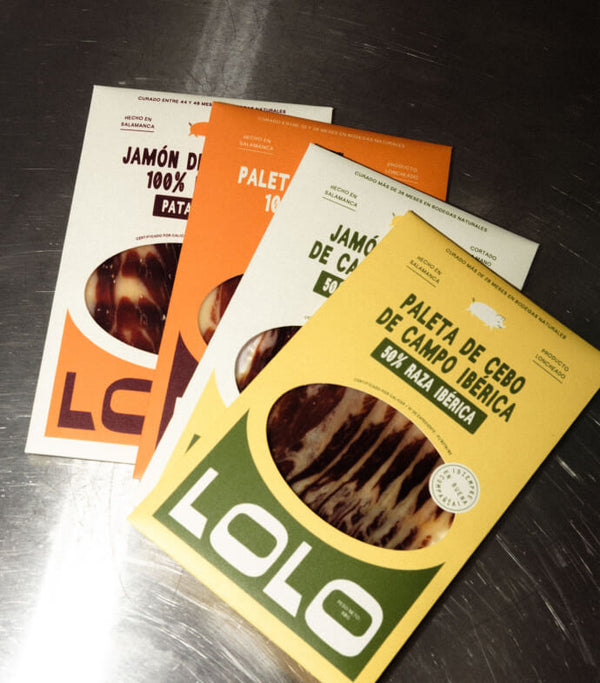
Acorn-fed and cebo de campo hams and shoulders, cured 28 to 48 months.
Shipped from Spain · free shipping over €89.90

Leave a comment
This site is protected by hCaptcha and the hCaptcha Privacy Policy and Terms of Service apply.